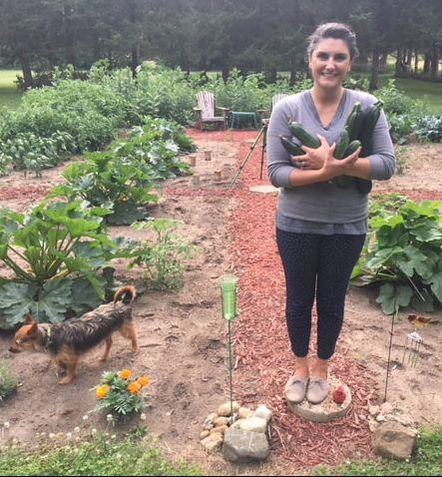
 We welcomed a new little one to our family. I'm pleased to introduce our female Yorkshire Terrier, Lady Bird "Birdie" Sires! She's just a few months old (born November 30, 2021) and a typical puppy - CrAzY! She came to us at around 2 pounds and is now almost 3.5 pounds, just to help you picture how small she is right now. But that shouldn't fool you. She is BOLD and fearless (most times, too much of both). She is a mouse, shark, flying squirrel, monkey all wrapped together in a sassy bow. She definitely has a big personality. Birdie joins her brother, Homer, our 5-year-old Australian Terrier, and a sister, Madison, our 15-year-old German Shepherd. For the most part, they like each other. It's taken some time for them to warm up to a puppy that is in their faces every chance she gets. She loves them both very much. Behavior-wise - she's really good, aside from wanting to chew everything with her sharp fangs. "Ouch," is said in this household multiple times per day. She is picking up on potty-training pretty well, along with some other basic commands. Playing fetch is her favorite. We have taken her on long outdoor walks, and she sticks close and listens, which is great. We want her to be a good traveler and hiker like her big brother. She's also been really good with others, including dogs. Other than that, we're ecstatic, frustrated, full of love, and annoyed. There are daily highs and lows. But that little face...and body...and bark...so. cute. In the end, a puppy has been worth it for us. Puppy Purchasing Thoughts I wanted to be honest about the entire process, because it wasn't all smooth sailing. I am an "adopt, don't shop" person...but we shopped. We specifically wanted a Yorkie and after following up on available Yorkie adoptions time after time with no luck for a few years, we started to consider going through a breeder. Why not wait longer? Well, we wanted whichever dog we got to be able to live with Madison before she passes away, and we don't feel like there's much more time left there. Knowing that not all breeders are created equal, we chose to go through Petland in Iowa City. They were very nice, had lots of good reviews online, and connections to breeders of so many different types of dogs - including Yorkies. After our first visit, they found a Yorkie for us. If I could do it all over again, I would not go through Petland. First, their prices are outrageous (like seriously, insane - I'm ashamed of what we paid) - but they don't drop the price bomb on you until AFTER you've met the dog and it is obvious, you're not leaving without it. You've got the new puppy glow (aka sucker face). And the cost doesn't include immunizations, getting spayed, etc. - that's on top of the purchase price. But ultimately, I thought, someone had to buy her, and if anyone was going to buy her, it was going to be us. I felt connected to her right away and just couldn't bear thinking about her going to another family. Second, things seemed off from the start when I picked her up. She kept throwing up, and everyone insisted it was because she was so nervous and that is common with all small breeds like her. I questioned that then and still now, but it's whatever. That should have been a huge red flag, but we'd already put down a deposit. There I was with this little sick puppy, in too deep to turn back at that point. Third, in our opinion, we believe they took Birdie from the breeder too young (which could have contributed to the issue above). We got her at eight weeks, which we knew felt wrong, but that's what it was. She had a rough first few days with us, bleeding from her hind end (which Petland told us was normal - but it is NOT at all normal). The angels at Pawsitive Pet Care were mortified by the whole situation. They wanted to know everything, including the name of the breeder she came from so they could look into them. They treated her and sent her home with an antibiotic that helped immediately. When we go in for her shots, everyone remembers her as "that dog" that came in frighteningly sick. They're so happy to see her healthy and happy - truly the best team if you're looking for a vet. Moral of the puppy buying story - if you shop, research breeders on your own, work directly with them, make sure the puppies are not taken from their families too soon, and even if your brain is exploding with endorphins, be realistic about what you want to and can spend. Also - just say "No" to Petland. I think of them as a sleazy group of people that fall in the same group as used car salespeople - they're in it for the money, no matter if they have to stretch the truth or do questionable things to make a sale. But in the end - we have Birdie - and that's all that matters! She's with a family who could nurse her back to health and give her a safe and loving home. Here's another pic of our girl. If you want to see more, you can follow her on Instagram @birdiesires. Yep, I'm that dog mom...LOL! 
0 Comments
Written By: Yung Pueblo 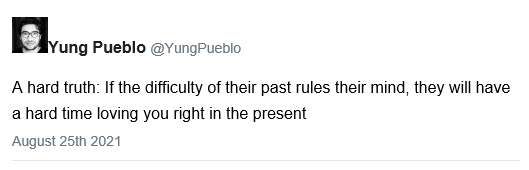 This piece is not by me, but I felt it was too important and powerful not to share in its full beauty. I hope it speaks to you as deeply as it struck me. These words can only make all of us better humans in all of our relationships. I also want as many people as possible to know about Yung Pueblo. His writings have been some of the most valuable and impactful words I have ever read. Love is interrupted by the pain we carry. It is easy to blame love itself for the hurt we feel, but all love does is open us up; the hurt itself comes from the heavy conditioning and ill-fated patterns that stop us from showing up in a compassionate manner. A person can be in love and also unprepared to care for that love. One can feel love for another, but also have a variety of attachments that block their appreciation for the amazing connection that is right in front of them. Attachments, our craving to have things exist in a very particular way, are the rocks that clog up the mighty flow of love. Our attachments are often molded by the hurt we have felt in the past. In this sense, attachments represent our inflexibility.
Love itself has many synonyms: mental clarity, compassion, selflessness, flexibility, acceptance and understanding. Love is so powerful because it is simultaneously hardy and elastic, it takes on the form it needs to bind people together in a wholesome and nourishing manner. But human beings are complex, and we carry the baggage of survivalist tendencies that we gathered during tough times. Love is freedom while attachment is control, all human beings walk in as a mixture of both when they enter into relationships. What makes relationships work, even when we ourselves are so imperfect, is self-awareness. To be able to see inside of yourself, to pay close enough attention to your mental movements that unconscious tendencies slowly become clear, is an act of love for yourself and for those around you. When you can see if you are being motivated by love or by attachment, you reclaim your power from habitual reactions and start utilizing your intention to bring more harmony into your responses. It takes self-awareness to choose love. Love itself invites healing. It creates a path for two people to not only blossom in self-awareness but to develop their emotional maturity. Love is a powerful light, if you are immersed in it and ready to grow, it will show you more of yourself. Love is not just for your soothing; it is an engine of evolution. The effort you use to remove the reigns of the past from your mind so that you can arrive to the present as an unburdened human being is an act of love. The greatest gift partners can give each other is a continuous commitment to their own personal healing. The love you are able to give to yourself and your partner is determined by your self-awareness. If your self-awareness is growing, you will have a greater capacity for intentional actions that are authentic. If you both find methods to help you unload the past that you carry, you will find your minds lighter and there will be more space for you to deepen your connection. Love is a dynamic force, if you are both able to loosen your attachments, it will help you flow together with greater ease. The uncomfortable truth is that many who have never ventured into healing will struggle to love well. Those who do take their healing seriously have a greater chance at figuring out healthy ways of supporting each other’s happiness. To build the type of home where both of you feel the spaciousness of freedom and the comforting support of the voluntary commitments you have made to each other is a goal worth pursuing. Oh, hey! It has been a minute. I’ve been busy pivoting. The past few months have been a wild ride to say the least. I have experienced the lowest of lows and the highest of highs. I wallowed in some really dark, painful places, hoping there was a reason for all of it. I know COVID had a lot to do with it. Although COVID was and is such a devastating thing to be living through, the slower pace, and the way that changed pace affected so many parts of our lives, was eye opening for me. It became clear fairly quickly how much the career I pursued impacted so many facets of my life – taking up a lot of emotional and mental space, as well as seeping into my free time and relationships. With a full year or more of reduced outreach and event commitments, the thought of going back to how things were (going to 40+ events on top of my regular duties) was panic attack inducing. I didn’t think I could do it anymore after 15+ years in this field. The more the world opened up, the heavier my chest felt. I knew what was coming and honestly could not deal. I could feel my mental health taking a dive and called my mental health provider. I was in tears with her the first two calls as we talked through what medication changes we could make. On the third medication pivot, I could at least function enough to act professional at work (without biting at people, crying in my office, etc.). If you know me, this behavior is not me, so this was another glaring red flag. I also faced the fact that for most of the years I had been in my profession, I ended up miserable – crashing and burning. Then I hopped into the same role somewhere else out of desperation to escape, only to meet the same demise. I’ve switched jobs more than I’d like to admit. It is something I am ashamed about, but, working with many different places made me better all around, strengthening my skills and network, and gave me confidence at my last job to execute an entire program/plan on my own with complete ease. I honestly considered myself an “expert” when I left. This cycle was really the definition of insanity – doing the same thing over and over, each time expecting a different result. I HATE being in that position. I am solution oriented when I see this happening in my life, and it was time to do something about my job. The true wakeup call came when I was becoming physically ill, calling into work, something I don’t do. A pivot was calling (and necessary). Side Note: This is actually a thing in 2021. They are calling it the “Great Resignation” according to The New Yorker: Why are so many knowledge workers quitting? Super fascinating. So much of our life was up in the air during the time I was struggling most and preventing me from making a change. Certain things needed to fall into place before either Joel or I could move forward and go after what we wanted. Joel being down for eight weeks due to ankle surgery didn’t help things…but he feels better and we are so thankful that we have access to good health insurance. That’s all that matters there. Then all of a sudden, things started falling into place very organically. I don’t know that we’ve experienced such fortune at one time before. We’re extremely grateful for it and do not take it for granted. The job I applied for and was most interested in got back to me and chose to hire me very quickly. I now work from home for a business based in Oregon. I have the best boss and coworkers, we clicked immediately. The position is in a field I’ve been interested in for a very long time that will allow me to get where I want to go by allowing me to essentially be educated on the job. Joel got a full time position with benefits, which was necessary because mine did not offer health insurance. Due to the medication and job pivots, I am a different person. I often tell Joel, “This must be what it feels like to be normal.” I needed more and different medication than I had been taking. I needed to reevaluate my work and find a job that was better suited for me. These two things combined have changed my life in big ways and I’ll be forever appreciative. What parts of your life could use a pivot? It’s worth taking the time to face the facts in front of you. Going through tough periods to get you where you want to be are so hard, but worth it (I say this from the other side of one). You deserve to be happy. Find paths that help you get to that place. It may be messy, but if your choices prevail, the work it takes to get there is priceless. Here is me in my home office with my co-workers! 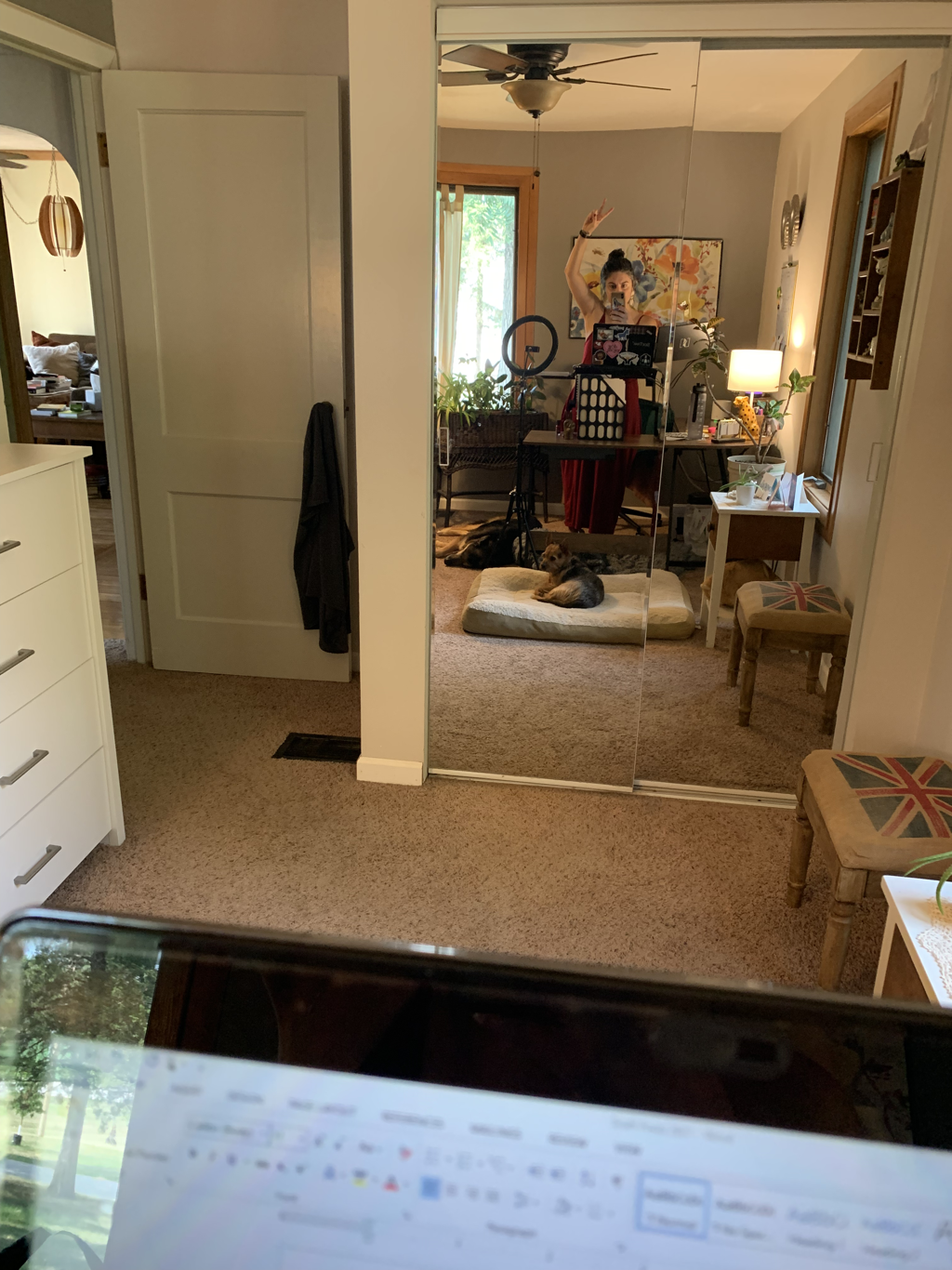  I recently watched a television show that I’m a fan of that follows the (fictional) lives of three young women. I enjoy the show because it doesn’t follow the typical storyline. The show is diverse, inclusive, progressive, and is not afraid to dive into very vulnerable, sensitive, real life topics. Like the decision to have a child. Or not to have a child. The latest episode that featured the latter is what spurred this post.
This particular episode moved me and I felt extremely understood. Definitely less alone. Later, when a snippet of the show containing the moment one of the characters tells her husband she does not want to have children was posted to social media, I was interested in the comments that followed. Most people wondered why the character and her husband hadn’t talked in depth about kids before they got married. The commenters’ viewpoints were valid and true to their beliefs and experiences. Of course, that is probably the “ideal” order of things for most people. But being a person who completely related to the character and the events that unfolded, I saw the situation very differently and wished I could have responded to everyone that choosing not to have children isn’t always a cut and dry decision for everyone. I was raised with this saying on repeat: “First comes love, then comes marriage, then comes baby in a baby carriage.” So many of us heard this, recited this, believed this. Especially as the words became real and we watched it happen to the people around us as we grew up. This order of events starts to feel like a given. A truth. The roadmap to becoming an adult and creating a family when you are younger. At least for me it was. Joel and I honestly did not talk a lot about the things you’re supposed to talk about before getting married. We are very much a day-by-day couple. We were in love, we were creating a life we were happy in together, and that’s all that mattered before and after we tied the knot. I think both of us assumed that kids would become part of our story. Until they didn’t. I thought I’d eventually get a feeling. A desire to have a child. It never came. Our nephews and nieces came along. I thought, “holding them will give me ‘that feeling.’” I instantly loved them each beyond words, and am in awe of their mothers, but I still didn’t want one of my own. I would take prenatal vitamins and buy baby books and start baby Pinterest boards and talk to my family about having a baby. Not once did it feel authentic. Not once. I felt like I was doing and saying things just because I was supposed to. I almost felt like a robot spewing off words that I was programmed to say. When I began to honor my gut instincts is when things got really hard. Even though Joel and I hadn’t talked about it, so didn’t have any concrete plans about having a baby, the thing that weighed the most on me was letting him down. Because he is an AMAZING man who would make an AMAZING father. When I finally came to terms with how I felt and was confident kids weren’t in the cards for me, for us, I slowly started to let him know where I was at. I don’t think we’ve ever had more difficult conversations. Most ended with me saying, “I completely understand if this is a deal breaker for you. It’s just something I can’t compromise on.” I wanted him to be fulfilled and happy, because he truly deserves that. I didn’t want him to resent me for the rest of our life together. I had to understand and accept that in making this decision for myself, the results could be devastating to my marriage. That is the honest truth. That’s when I knew that what I was feeling was what I really wanted. I was willing to risk the greatest love I’ve ever had over it. Fortunately, we navigated our way through and came out on the other side still together, happier with each passing year. I’m beyond lucky to have a partner who loves me in a transcendent way. He was willing to sacrifice any desires he had to have a child to stay in the life the two of us were only beginning to build together. The reasoning behind my choice is obviously multi-faceted. There is no one reason. The lack of interest in the entire thought of parenthood being the biggest. Along with not wanting to pass down inherited and genetic mental health issues and trauma coming in close second. I must admit, it’s a strange thing to be a childless woman. Especially a woman who is physically able to have children, but chooses not to. I think it is really hard for a lot of people to understand, and that’s OK. Reactions from others vary. At the end of the day, this decision is one I know I made the right call on. I’m proud of myself for diving deep, facing the uncomfortable, and discovering what I truly wanted, as hard as it was to face. Life, and marriage specifically, has no roadmap. There are most definitely “ideal” ideas of how things should go, but most times, they don’t go that way. We can’t cast stones at other peoples’ experience. We always need to remember we are all on different paths, going at our own pace, making the best decisions for ourselves as we can. I wanted to write about this topic, as difficult as it was, so other women having the same thoughts and experiences feel less alone, like the show I watched did for me. I also want young women to know there is another track they can take if they don’t feel that children are something they want. That feelings of not wanting to be a mother are just as natural and important as wanting to be a mother – even if it doesn’t appear that way. If you choose not to have a child, you are not selfish. You are not lesser than. You are strong, and you are enough. Be brave, own your decision, and share your truth with others. Most importantly, know you can still live a happy and fulfilling life without children. I'm living proof. Big hugs to all. As I recently shared on my “Wren’s Pick” page, I’ve become a (late to the bandwagon) “disciple” of Brené Brown. There’s a reason she is a staple in the personal growth space. She knows her shit.
Finding the right person (or people if you are lucky) whose goal is to lead you through a self-help journey isn’t easy. I’ve read so many personal growth books by so many different authors, and although I have gained valuable insight, rarely was any of that insight powerful enough for me to feel deep in my soul. I maybe made it through a third of each book. Brené’s work has penetrated my heart and mind in a way that makes positive change actually feel attainable. I am currently reading her book “Daring Greatly.” She has many books, so I looked at some recommendation lists online to find out which one would be best for me to start with. The list was right. I’m only halfway through, but man, I felt a shift happen within the first few pages. What really got me, and made me know I was on the right path, was that the book title is actually inspired by a speech given by one of my heroes – Theodore Roosevelt! I’m trying to read chapter by chapter so I can allow time for my brain to process and internalize what I’m reading, which is actually hard to do because this is the first self-help book I have ever read that I wanted to continue reading – it’s a page turner. If you don’t already know, Brené is a shame researcher. Her big focuses are shining light on shame and vulnerability. Which really boils down to doing the hard work of being unapologetically ourselves – because when we can do that – everyone around us is better for it. This journey isn’t easy, especially if you hate being vulnerable – Brené admits she does, and so do I. I’m not even going to try to get into the specifics of her work or guidance – that’s what her book is for. But I will share some of the ways her work has impacted me so far. Before I begin, I do need to say that yes, I am only halfway through “Daring Greatly” – but I’ve also been taking Brené’s teachings in through her podcast and Netflix special. So in actuality, I’ve heard a wide range of her messages over the past few months. Not that I have to justify myself to continue – but look what I did there. I think I just want to state I’m not an expert on Brené’s work – but I’ve absorbed enough of it to have made fundamental changes in a short amount of time because of it. The word vulnerability means many things to me as I continue learning about it. Brené says that vulnerability is essentially the same thing as courage – which I agree with one hundred percent. It’s scary for some of us to be vulnerable, so when we take a chance and open up – that’s courage. Truly, we can’t be one without the other. No matter the order they take place in. This is an important connection to make. What vulnerability is NOT is weakness. Have we been taught that it is our entire lives? Most likely. Do we have to continue following this inherited perception of vulnerability? No. We don’t. Being courageous when it comes to taking up space *authentically* in this world is one primary thing I am working on right now. So many of the conversations and connections I have are based on what I think others want to hear – or – build me up in ways that I think would impress them. Look how smart I am. Look how good I am. All this is really doing is building walls. Even though what I am saying is most likely true and is never, ever meant to make another feel “less than” – it’s the way I deliver it that is the problem. Filtered through lenses of perfection. Which probably doesn’t make people feel connected to me. It makes them intimidated of me. I know this for a fact because I have been told SO MANY times that I am intimidating. Now I know why. The other piece of this is my anxiety. It’s hard to be yourself when there’s a constant voice in your head overanalyzing your every action. “You’re losing them – tell them something they want to hear.” “You’re boring – it’s too quiet – say something entertaining.” “Remember, you think they think lesser of you because you let them down – tell them what a kind, martyr you are while handing them a casserole.” “You’re nothing if you aren’t putting everyone else around you first – perfectly – not missing a single detail.” “Don’t do that annoying thing you do – you’re so dumb!” Yeah – as I continue to practice true vulnerability – these voices aren’t something I will miss. When I do hear them, I tell them to shut up. If I can’t be accepted for who I am as I am, then I’m probably hanging with the wrong crowd. It’s none of my business what others think of me. Especially when I remind myself that a lot of what I may be judged on ties back to long-standing, out-of-date, impossible, blanket expectations about what a woman “should be, should do, etc.” Those words can honestly kiss my ass at this point. Thinking about what I “should be/do” has exhausted me my entire life. In trying to show up more vulnerably (right now, for me this means without every detail planned and talking points thought through, carrying the ability to laugh at myself, and the willingness to share more of myself) I have most certainly felt lighter. It has been nice to be present. And more importantly, able to walk away from an interaction thinking I was “too much” or "not enough" – or stupid or lame or awkward – the list goes on. I feel more like the person I know I can be. Let me share a few examples of how I’ve recognized change within myself recently.
I do realize that the striving can’t and won’t stop just because I’ve seen small successes. Dedication to practicing being vulnerable is vital to a fulfilling life for me. I know this now. I didn’t before. In the short time period I have been working on this area of my life, as I briefly mentioned above, I have already experienced relationships deepening, the ability to be more loving and supportive to those most important to me, and the stability to weather daily stress at work a little better. All of which make me feel happier in general about my life. For those of you reading this who vulnerability and being yourself comes naturally to, this all probably sounds a bit crazy. “Oh wow, you survived that insignificant moment.” But for me, these are breakthroughs. This is me practicing courage. The little things are big things and the big things are ginormous things for me. Irrational most times, yes. I realize this, yes. That is why I am so happy for these tiny victories and am dedicated to continuing on. Are you a Brené fan? If you are, have you found any other people like her that you also enjoy learning from? I’m going to explore Glennon Doyle next because it seems that their messages are very aligned and appealing to me! I’ll preface my upcoming blog posts with this – I apologize for the delay in new content. I can summarize the lag in one word - Coronavirus. Although I have been extremely active and productive during the cleared calendars COVID-19 created, my motivation to write has been non-existent. Days at work have been long and consume most of my brain power. When I get home, all I want to do is forget the day, so I’ve channeled my anxieties into many, many different physical labor projects around our acreage to tucker myself out completely. I’ll write about my experience during this time after I do some reminiscing and sharing of other stuff that has gone on over the past few months outside of the pandemic. One thing is for certain – I already miss the ability to travel and am worried we won’t be able to travel safely again for a while… Because we’re pretty much stuck around our home and family cabin right now (I recognize the privilege in being able to say this) I’ve been daydreaming about trips Joel and I have taken recently along with ones I hope we take as soon as it is OK to do so. I jumped right on sharing resources we used on our trip to New York City over Christmas. But I never did get around to writing about the trip itself! Since the moment Joel and I connected, our love for New York City has been one thing (of many) we have in common. I remember sitting across from him the first time we formally got together and lighting up when this topic came into the conversation. We had both been when we were younger and yearned to go back. Ever since then, we’ve dreamed about going to New York City during Christmas to experience the magic. 2019 was the year it came true. You may be wondering how it was to be gone over the holidays. Intending no offense to our families – we really enjoyed it. Here’s why. Instead of cramming so many commitments into one to two days, the holidays felt much more intentional. We opened up our home and invited our family members over to have one-on-one time with us before we left. For those we couldn’t fit in before the holidays, we spent time with after we got back. This allowed for more sincere connections. It took a lot of the “overwhelmed” feelings out of the season which felt better to both of us. Although we were both dreading telling our families our plans, they all took the news extremely well and were very supportive of us taking the trip. It took us a bit to fully believe this trip was happening! We had been talking about it for years and planning it for months. Everything was reserved and paid for – the only thing out of our control was December weather in Iowa, but thankfully it cooperated fully. It was an unusually warm and not snowy December. Our adventure began the moment we got off the plane. In an effort to use as much public transportation as possible to save money, we took a bus to the subway to another bus to get to our Airbnb. With all of our luggage in tow. Nothing screams, “I’m not from around here,” more than that. Luckily, everyone we interacted with was super nice and, while we were eyeballed, we were never hassled. I believe if you can survive this process – you can literally survive ANYTHING. We absolutely loved our little New Jersey Airbnb located just across the Hudson River from Manhattan. The view was STUNNING. Especially at night. We’re not super picky when it comes to where we stay as long as it is a convenient place for us to land at the end of the day and the price is right. The interior was nothing fancy, but its location was in a safe, quiet area with easy access to the New Jersey Transit bus line (just a few steps from our door) that we took into the city every day. Our host was very nice and a really good communicator. We tried to map out our days loosely so that we saw what we wanted to see for sure, but with flexibility so that if we needed to rest we could rest. Which when you are walking 20,000 steps per day on average, was needed! I’ve outlined some of the trip highlights below and at the very end a photo slideshow is provided for your viewing pleasure. December 21 – After we settled in at the AirBnb and walked around the neighborhood a little bit, even with all of the traveling/commuting we had already done, we couldn’t help going into the city! We chose to walk around the Times Square/Rockefeller Center area. We covered A LOT of ground. We saw Times Square and its street performers. The Rockefeller Center tree and skating rink. The NBC studio that hosts SNL. Radio City Music Hall. A charming little Christmas market in Bryant Park. The New York City Library. And the New York Times building. It felt like every corner we turned held a landmark we were shocked to be seeing in real life! December 22 – We visited the Museum of Modern Art (MoMA). It was delightful. So many famous works of art. I discovered that Picasso and Matisse are two of my favorite artists, which was unexpected. There’s nothing better than being moved by art. It’s one of my favorite feelings. We ended the day with a yummy Italian dinner (BEST I’ve ever had) in the city. On our way through the bus depot to head “home,” I bought and enjoyed my first authentic macaroons! December 23 – Venturing to the southern tip of the island on the subway, we attempted to go to the Statue of Liberty but the wait was several hours long. We decided to return early the next day. Instead, we ended up going to the 911 Memorial site. It was as moving as we imagined. Very hard to believe the events that occurred. Seeing the names of all who lost their lives made it all real. The memorial is absolutely stunning. The perfect way to honor all those connected to the event. One special thing I learned is that on each person’s birthday, a white rose is placed by their name. It was about lunchtime when we finished and we were so hungry we didn’t want to waste time wandering around, so we went to Burger King. Why is this significant? It was a two-story Burger King that served you like you were at a sit down restaurant. For some reason this really amused us and I thought it was worth noting! Who knew that was even a thing? We then made our way to the Upper East Side area and took in all of the beautiful architecture. On a whim, we decided to go to The Metropolitan Museum of Art (The Met). This was one place that was a must for me solely because of their Costume Institute. We visited that area of the museum first, and although you only get to see limited pieces from the Institute, it was breathtaking. Alexander McQueen is one of my all-time favorite designers and I got to see one of his pieces, along with Chanel, and so many other talented designers. I did cry in this exhibit and I’m not ashamed of it! The Met is truly unbelievable. It is endless. There is so much to see and do and learn. We did our best to take in everything, but if you took your time, you could probably spend two or more days walking around. They have a little bit of everything. We were there when they had a really neat knight exhibit up. One of the most shocking moments is when we entered a room and were eye to eye with the painting Washington Crossing the Delaware! Wow. This experience was hands down one of our favorite parts. There is just so much history and variety housed in The Met. Everyone can find something that interests and excites them. It was dark by the time we left so we cut through Central Park (not as scary as depicted in Home Alone), passing the Museum of Natural History and the site where John Lennon was murdered, on the way to our subway. Not surprisingly, this day clocked in at 20,613 steps! December 24 – This was Statue of Liberty day! Not a shabby way to spend Christmas Eve. (If you ever want to visit the statue, please see my tips about going to NYC so you don’t get swindled.) We visited both Liberty and Ellis Island on our tour. I recommend going to both. Coming upon the islands riding the packed ferry, shoulder to shoulder with other visitors, you couldn’t help but put yourselves in the shoes of immigrants who arrived at Ellis Island in a very similar way (without the privileges we have, of course). Lady Liberty and the museum just behind her was our first stop. And although seeing her and being so close was moving, visiting Ellis Island was emotional. If you’ve seen the movie Shutter Island, you will vaguely be able to picture Ellis Island. That’s what it reminded me of. A lot of dilapidated, inaccessible buildings with a museum inside a partially restored main building where all immigrants started their journey back in the day. I felt like the spirits of the immigrants who passed through the building were palpable. It was eerie, but very grounding at the same time. I felt grateful for their strength, determination, and visions for the future. The educational exhibits were wonderful and we learned so much. The element of our time on the island that added an entirely different layer of meaningfulness is that upon doing research in the museum’s records area, I discovered my great, great grandfather (Dimitr Toneff) and other family members arrived at Ellis Island! So as I walked through each area, I pictured them along the way. I was seeing what they saw. That’s pretty powerful. This was another big walking day because after we left the Statue of Liberty, we visited Greenwich Village. Definitely my favorite nook in Manhattan. It’s where the artists live, and you get that vibe immediately. Joel had a list of Bob Dylan landmarks to see, so we checked those off the list, ended in Washington Square Park, and called it a day. December 25 – Christmas Day! Ice skating in Rockefeller Center day! It was surreal waiting in line to ice skate. It was a really beautiful, still day. Warm enough where we were just wearing sweaters and vests. The energy in Rockefeller Center was electric. So much excitement! You are able to purchase a 90 minute skating session. Luckily, we got there just in time so we only had to wait as the session before mine finished. I’ll tell you this, honestly. It was pure magic and I absolutely loved it. But…I was also terrified and instantly in pain. The moment I launched onto the ice, my body tensed up and I was just focused on not falling. Which is typical I suppose. There are a lot of people watching people skate. I didn’t want to be the one everyone laughed at or God forbid was videotaped as an ice skating fail! I made it around between 3-5 times before quitting. Under 10 minutes total of a 90 minute session. Two successes – I did not fall and I did not grip the wall. I quit while I was ahead. We spent the rest of the day without a plan. The big department store window displays were nearby so we took a look at those. We hopped on the subway and went to Grand Central Station. Then we went to Central Park. It’s very beautiful and there is a lot of entertainment going on! Talented street performers dancing, singing, playing instruments, making huge bubbles. It was a nice way to experience the area. Landing in Bryant Park, one of our favorite hubs to stop by, we enjoyed hot chocolate while watching everyone hustle and bustle around us. It was a memorable way to end a very special Christmas Day. December 26 – This was our last full day in NYC. We took it pretty easy. Joel brought up the idea of going to the Tenement Museum located in the Lower East Side. I bought our tickets online as the bus took us to Manhattan and it was a done deal. The museum was the perfect addition to the experience we had at the Statue of Liberty. It was focused on immigrants and their lifestyles during peak immigration times. It was so interesting! When you go to this museum, it’s not your typical museum. You choose a “track” to go on. We were able to get tickets for the “Business Owner” track which featured Manhattan immigrant entrepreneurs. The tour included the recreation of an old pub, the living quarters behind the pub, an outline of life living in the tenement building, and information about a family who owned a lingerie business. They had a neat interactive historical activity at the end. You grabbed an item that correlated with different immigrant entrepreneurs (book, stein glass, hat, etc.), put it on your table, and magically a story about them played! Super futuristic. The Lower East Side has kind of a bad reputation, but we didn’t have any problems. We had authentic New York bagels and schmear at a bakery across the street from the museum and walked around a little bit. Saw the site of what used to be CBGBs, which was cool, and a lot of graffiti. We did a final wander around Manhattan using the subway (which we were so sad we wouldn’t get to ride anymore) and then headed back to get ready for our flight in the morning. We are strange creatures so we spent our last night at a packed laundromat doing our laundry. We dislike traveling with luggage full of dirty clothes. The night was capped off with a dinner order through Uber Eats! If you have any questions about traveling to New York/New Jersey, I’d be happy to help! I did a lot of research before going and we learned a lot of good practical tips while we were there. As promised, here’s a slideshow of our trip. Thanks for reading if you made it this far and enjoy! UPDATE: KCCI 8 Des Moines reports the bill is “dead.” According to online article posted at 7:44 p.m. on January 29. 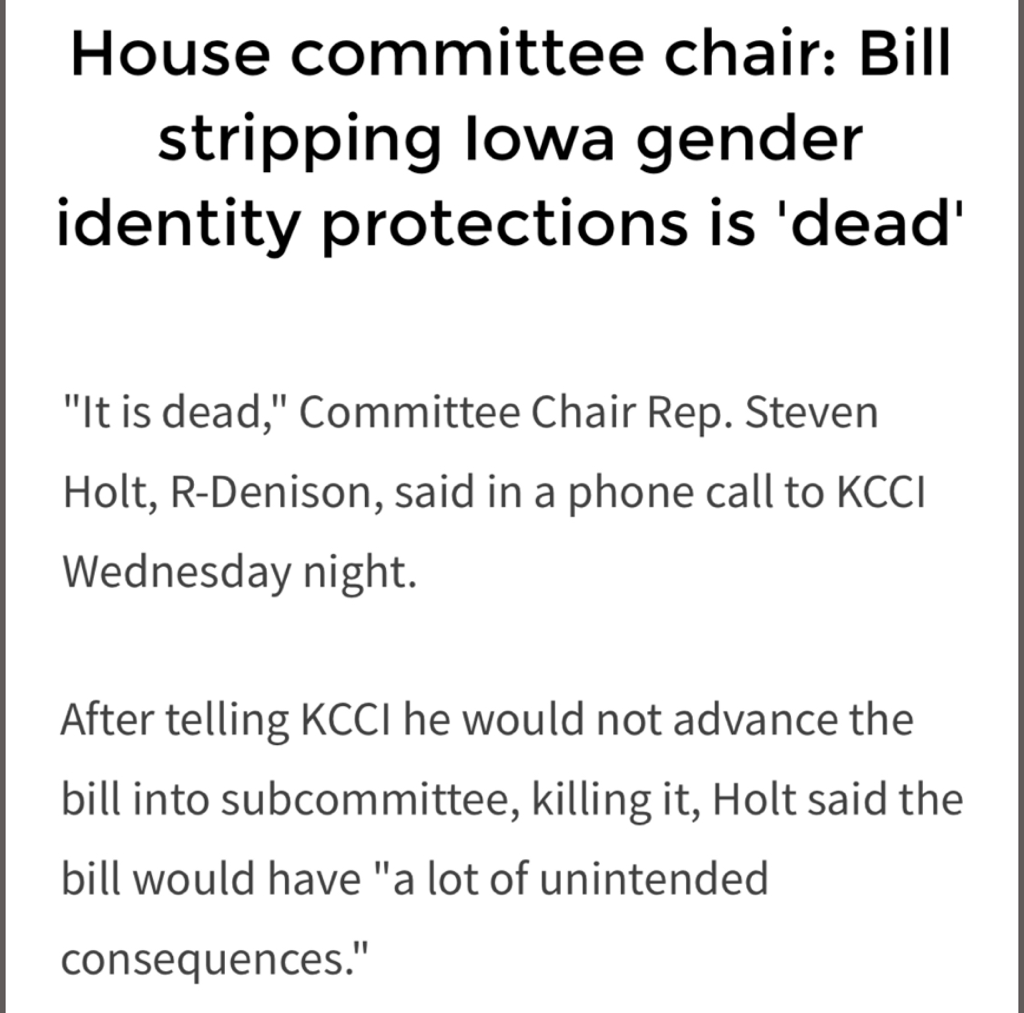 Transgender Iowans are under attack. I am sharing this information for a dear friend, Andrew Fleming, who has a transgender child and is a huge advocate for transgender people in Iowa and beyond. We need to rally on this one, friends. If this bill passes, the results would be disastrous and will undoubtedly put peoples' lives in danger.
Taken directly from Andrew Fleming's Facebook Page: “Facebook Friends & Family – I am asking you for help. This is what I’ve been dreading. [Des Moines] – Today, January 29, Iowa State Representatives Dean Fisher, Anne Osmundson, Terry Baxter, Tedd Gassman, Thomas Gerhold, Phil Thompson, Tom Jeneary, Skyler Wheeler, and Sandy Salmon released HF2164, a bill which seeks to repeal all protections for transgender Iowans and remove them from the Iowa Civil Rights Act entirely. Such legislation would leave transgender Iowans vulnerable in the areas of employment, education, credit practices, housing, and public accommodations. Removing an entire class from a state civil rights statute has never happened in US history. One Iowa Action Executive Director Courtney Reyes condemned HF2164 in a statement: “What these Representatives are doing is cynical political theatrics at their worst. Allowing transgender Iowans to be fired from their jobs or denied housing simply because they are transgender is a new low, and they should be ashamed of themselves. Instead of concentrating on jobs, infrastructure, or education they are using the transgender community as a wedge issue in what will be a failed attempt to win votes in the upcoming election. Transgender Iowans deserve to be protected against discrimination and most legislators know that, which is why the Iowa legislature established such protections in a bipartisan vote well over a decade ago. We urge the Iowa legislature to focus on keeping Iowa a premiere destination for residents and visitors alike. These bills do not accomplish that goal and will be an impediment to Iowa businesses attracting, recruiting, and retaining the top talent needed for our state to succeed.” ACTION: Write or call your Iowa Congress person and STOP THIS BILL. This will KILL trans people. This is absolutely horrifying. If you don’t know what to write or say, paraphrasing One Iowa’s statement is possible. Here’s another possible statement one can use: Dear __________: Please vote against HF2164, which seeks to repeal all protections for transgender Iowans and remove them from the Iowa Civil Rights Act. This bill will cause immense harm to trans Iowans, and leave us (them) vulnerable in areas of employment, housing, education, credit practices, public spaces, and health care. Discrimination against trans people are at an all time high, and this bill would embolden discriminatory practices that strip trans peoples of their right to exist and thrive. HF2164 would set Iowa back a century – removing an entire class of people from the state civil rights statute has never happened in US history, so please don’t let it happen in Iowa. Don’t let hate drive Iowa into the past. Trans people have a right to exist, to have the same rights as any cisgender person (non-trans person). Please stop bill HF2164 and advocate for the rights of trans people. Thank you.” Copy this text. Share it on social media. Write or email your district's state legislators (https://www.legis.iowa.gov/legislators/find). Call the Iowa Senate (515-281-3371) and the Iowa House (515-281-3221) switchboards. PLEASE ACT to defend the rights of transgender Iowans. ACTION INFORMATION JUST ADDED: Very specific contact information and updates on this topic from Bleeding Heartland can be found HERE. In addition to taking action on this matter, educate yourself on the LGBTQ+ community and find out how you can help them in other ways. Be the person who creates safe spaces for this demographic in a world that oftentimes marginalizes and casts them out. See this post or visit OneIowa’s website to get started. 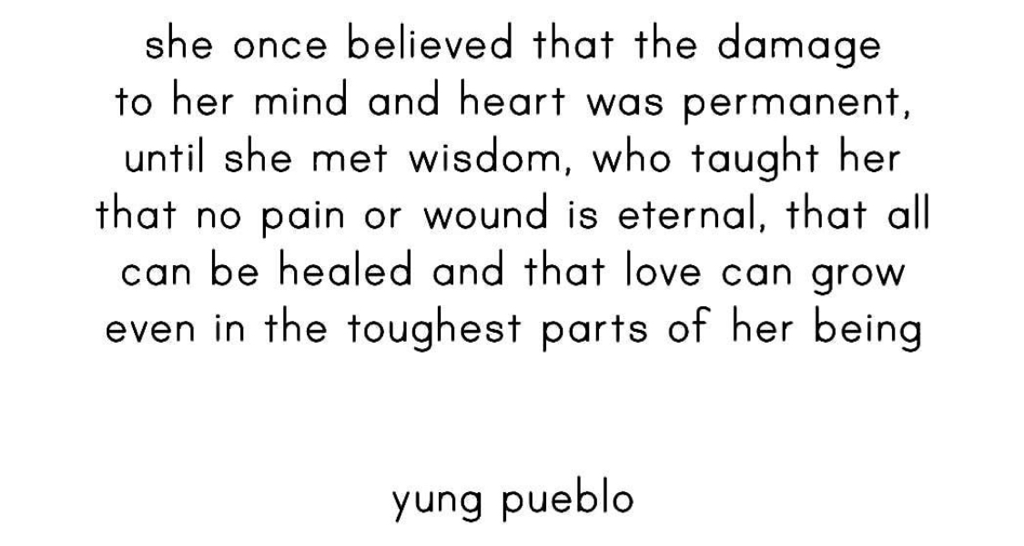 My word for 2019 has undoubtedly been “healing.” It’s hard for me to think back on this year without crying tears of both pain and pride.
I put in the work this year. After spending a lot of time thinking about what I could be doing to address my internal world, I threw my hands up and took action. What did I have to lose? The answer to that question is baggage, in every sense of the word. Except for the literal baggage I use for travel. Didn’t lose that. I need that. The year started out pretty rough. I shared in this blog post how I finally made the decision to start depression/anxiety medication and regularly see a counselor. I believe this was the biggest game changer for me. From the moment I got connected with the wonderful providers I see at Unity Point, things I continuously struggle with in my life really started to shift. Putting my foot down to address my mental health was very empowering for me. Caring for a mental illness takes maintenance. Frequent doctor appointments and every other week appointments with a counselor. All during work hours. I have put off so many doctor appointments over the years because I didn’t want to miss work. That changed this year. I scheduled my doctor and counseling appointments in advance so I had a thorough list of dates and times to give my boss. I didn’t ask permission, I told her I would be out at these appointments and would make up the time. She trusts me, supports me, and all she keeps saying is that she’s there for me when I need her. I’m beyond grateful for that. Alongside getting professional treatment, I was taking what I was learning from my doctors and diving deep internally on my own time trying to navigate the heavy feelings I carry with me. There are some specific feelings I’ve had for 10+ years, others for 20+ years. I knew just what they were and what caused them, but I didn’t know how to get through them. I knew deep down there had to be a way. I will say that getting through the negative feelings I was having tied to certain experiences and events relied heavily on forgiving myself (more self-acceptance) and setting boundaries without carrying guilt about it. I’m such a people pleaser and needed to let go of the self-expectation that everyone needs to like me. I don’t have the capacity to please everyone. With many of the choices I make, I’ll be letting someone down. But, in turn, I won’t be letting myself down by putting myself into situations that aren’t good for me. It’s a self-respect thing. Something I’ve never had a lot of as a person who is constantly bending backwards trying to meet everyone’s expectations of me 100% of the time. Doing this made me tired. So putting in the work to avoid letting this drain me any more than it already has in the span of my lifetime was key. In doing this, the interactions I have with others has changed a lot. I increased my time and effort with those who helped keep me grounded, build me up, and fill my heart with love. I decreased or changed the way my time and effort looked with those who have continuously torn me down, belittled me, or don’t value me. I had to get real about my relationships and prioritize who I give my energy to, again, without carrying guilt about it. This alone has been very freeing for my spirit. I have felt so much better taking more control of the commitments I do or don’t make. If there has been a commitment that caused me a lot of strife and anxiety for many years, I’ve had to listen to myself, back up, and start asking, “How can I show support and express love for others in a way that is more comfortable for me?” Maybe it’s keeping in touch on social media, sending a text, mailing a card, meeting for coffee, or inviting others into my space where I craft the environment. It’s a little more work, but it’s worth it. I have felt a lot happier showing up in my own way. And accepting that that’s OK. I connect with others differently, but that doesn’t make me a bad person, a person who doesn’t love her people, or a person underserving of reciprocal love. Of course, all isn’t perfect and there are weeks, especially during this holiday season, when my schedule has been insane. Running from commitment to commitment. Some welcomed. Some not so much. But in these times, I still keep my well-being at the forefront. As I transition from one event to another, I force myself sit down for five minutes for meditation. To get my head right. To get my heart right. To release whatever I’m holding on to so I can start the next thing as fresh and ready as possible. I HIGHLY RECOMMEND TRYING THIS. It’s just five minutes. Five minutes. We all have five minutes. Even if it makes you five minutes late, give that time to yourself. If you’ve got a little more time – MOVE. An hour on a treadmill puts me in a completely euphoric state-of-mind. Everything that happened before I stepped foot in the gym is yesterday’s news. What I’m getting at is – put your oxygen mask on first! The change I’ve seen within myself is palpable. I feel it. I see it. I appreciate it. I’m proud of it. I feel very much healed. Because I finally gave myself permission to feel that way. I’m not the victim if I don’t allow myself to be. I can be the person certain traumas end with. I'm willing to do the work. The way we live our lives is completely up to us. And as I know I’ve said before – as long as we lead with love and kindness without malicious intent – that way of thinking is OK. Putting yourself first is not selfishness if it saves your sanity! Ever since I can remember, I’ve supported the LGBTQ community. I don’t have any memories of a time when I didn’t. It’s probably because I didn’t think about it much until I was exposed to the community in my early 20’s. I know that’s late, but in the very small town I was from, if someone identified as LGBTQ, I may have suspected but it wasn’t a topic that was discussed, probably for several different reasons at that time. My first real submersion into the community was when I started going to Kings and Queens, an LGBTQ friendly club in downtown Waterloo. From the moment I stepped in the doors I felt welcomed and comfortable. To this day it is still one of my favorite bars. The happiness inside is contagious because you’re surrounded by a bunch of people who feel like they can truly be themselves there. That not only applies to those who identify under LGBTQ, but also to cis gender, “straight” women like me. I felt like it was a safe space. What made me most joyful was looking around and feeling glad that everyone seemed to be presenting their authentic selves. Outside the doors of that club, who knows what they had to hide, interact with, endure. I wasn’t naïve enough to think that the joy we felt there together followed everyone out into their day-to-day lives. I was reminded of the hard truths of being part of the LGBTQ community at a training I recently went to for work. It was hosted by OneIowa (please check them out – they are competent powerhouses on this topic). I’ve never listened so intently to a training in my life. I had really been looking forward to it, but the topics covered were so valuable and interesting and heartbreaking all at once. By the end, my heart and mind expanded in ways they haven’t in a long time. My number one takeaway was how much I take my privilege for granted. Although I am pretty sensitive and empathetic to the struggles I know so many people have to deal with every day, I don’t know if I fully realized how little I don’t have to “struggle.” From day-to-day tasks all the way up to finding and keeping a job. For the most part, it’s smooth sailing compared to what others have to think about and experience. Here’s an example that seems small but is actually really huge in the long-run. I don’t have to think about where I can go to the restroom. For a non-binary transgender person who does not identify as male or female, not having unisex restroom options causes stress. One of the presenters at the training mentioned how they have to think ahead when taking a road trip, trying to remember or identify rest stops/gas stations they could go to that have unisex restrooms. If they stop at one that doesn’t, they have to consider whether going into the male or female restroom will cause them the least amount of “trouble.” Because if they choose incorrectly, it could cause an uncomfortable situation and potentially negative confrontation from others. It’s happened to this person. Yeah. Just because they were trying to do something as simple as go to the restroom. Barriers in place for the LGBTQ community only increase from there (depending on the state). There are laws in place in some states that allow people and businesses to discriminate against this group. If a man marries a man and your job finds out – you could get fired. For who you love and what you do in your personal life. Yet another thing, among many, I don’t have to think or worry about. If I want to move out-of-state, I don’t have to look at the laws in place ahead of time that might change the way I’m able to live (or not live) my life. I hope with more education and advocacy, peoples’ minds will change about this group, and we start seeing more acceptance/compassion/empathy with less barriers. Here are a few graphics that I think are really helpful in better understanding different sexuality, gender, and orientation spectrums: 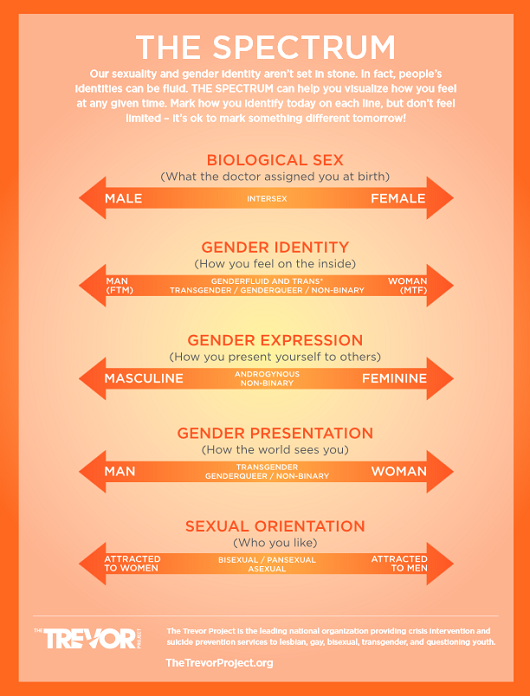 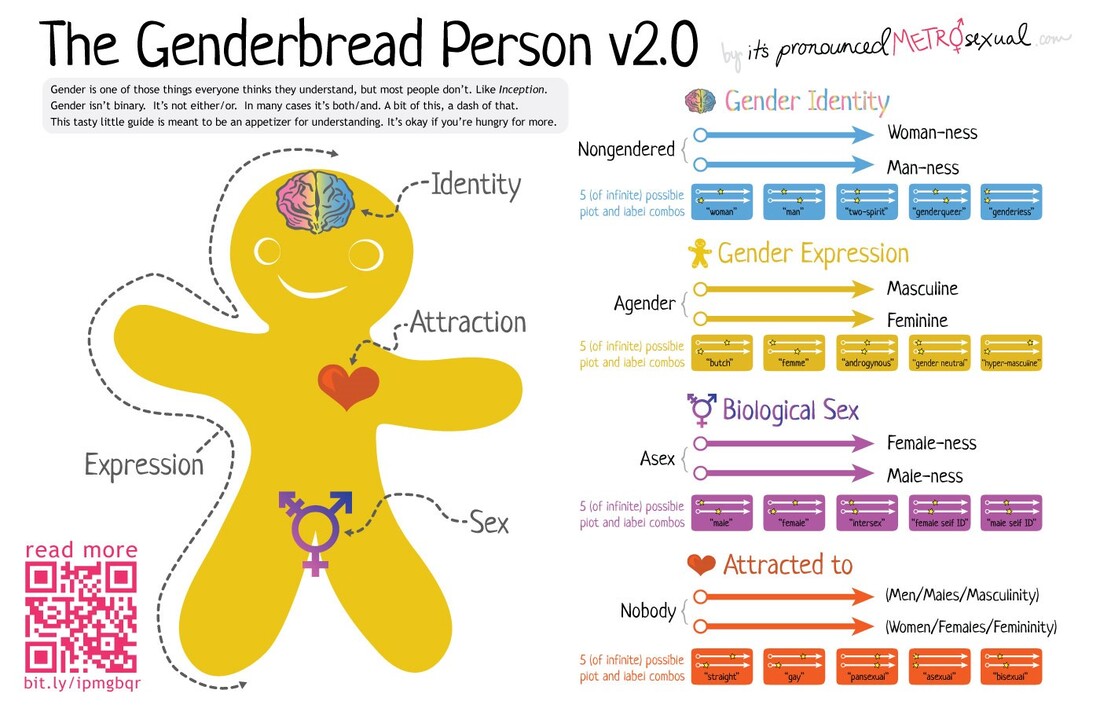 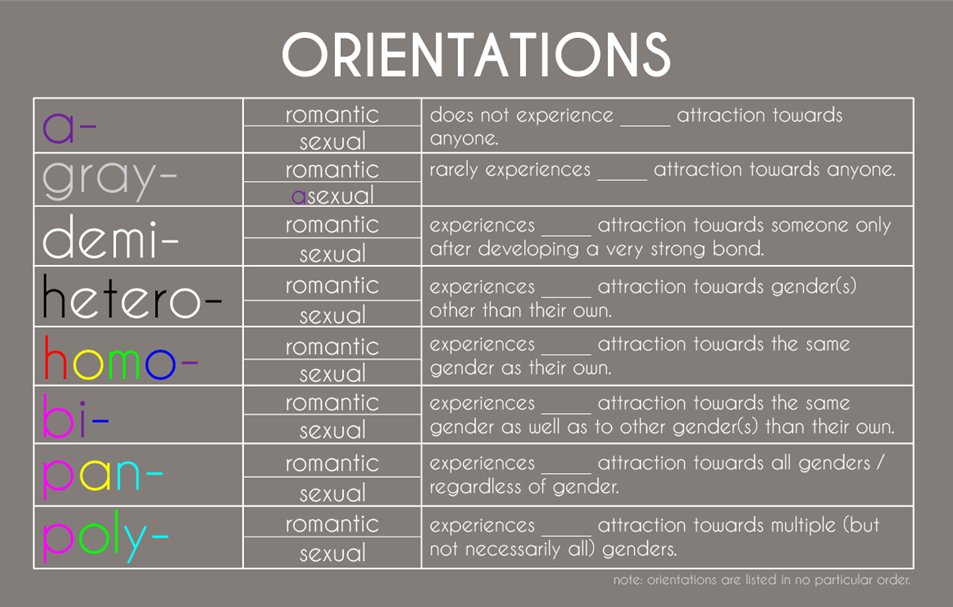 In addition to the spectrums shown above, at the training we also got into gender pronouns, which was fascinating and I’m so glad I was educated on the topic. See table below. I think more and more you’ll start seeing and hearing other peoples’ preferred pronouns. Because it’s not just he and she anymore. The trainers realize that it will take time for people to learn how to use these pronouns, and offered some good advice if you use the wrong pronoun with someone. 1) Acknowledge that you used the wrong pronoun; 2) genuinely apologize; 3) tell them you’ll try to do better in the future. Simple as that. Don’t make the LGBTQ person feel guilty because you did not know or forgot. They’re going through enough and are probably misidentified multiple times a day. You were the one in the wrong. Respect their choice of pronoun and move on. 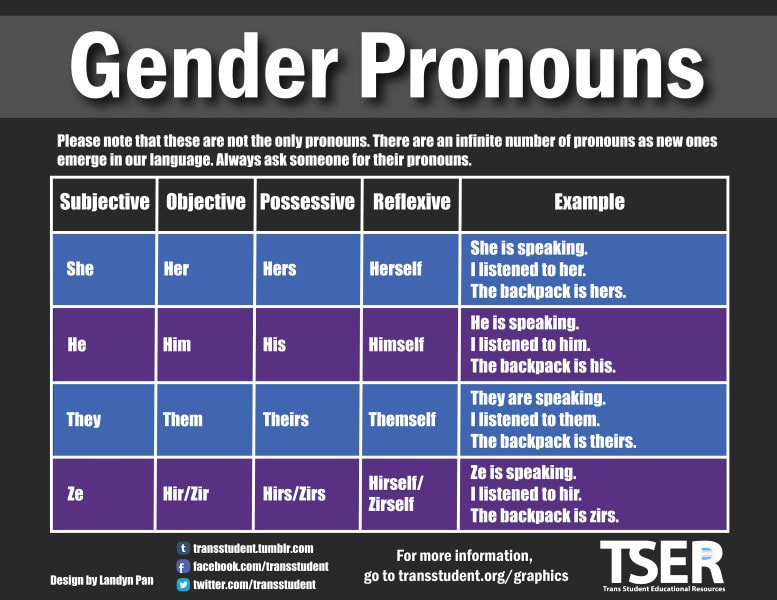 I could literally write about this all day because I’m learning so much, it’s very fascinating to me, and there’s so much to share. But to wrap things up, really what I was reminded of at the training is that seeing and respecting others for who they are is key.
As the world continues to change and people feel more comfortable sharing who they truly are (which I think is beyond wonderful), it is up to us to hold space for all of the different identities and to be advocates for the LGBTQ community. Allowing others to express themselves authentically and use language to describe themselves in an affirming way is something we all deserve. 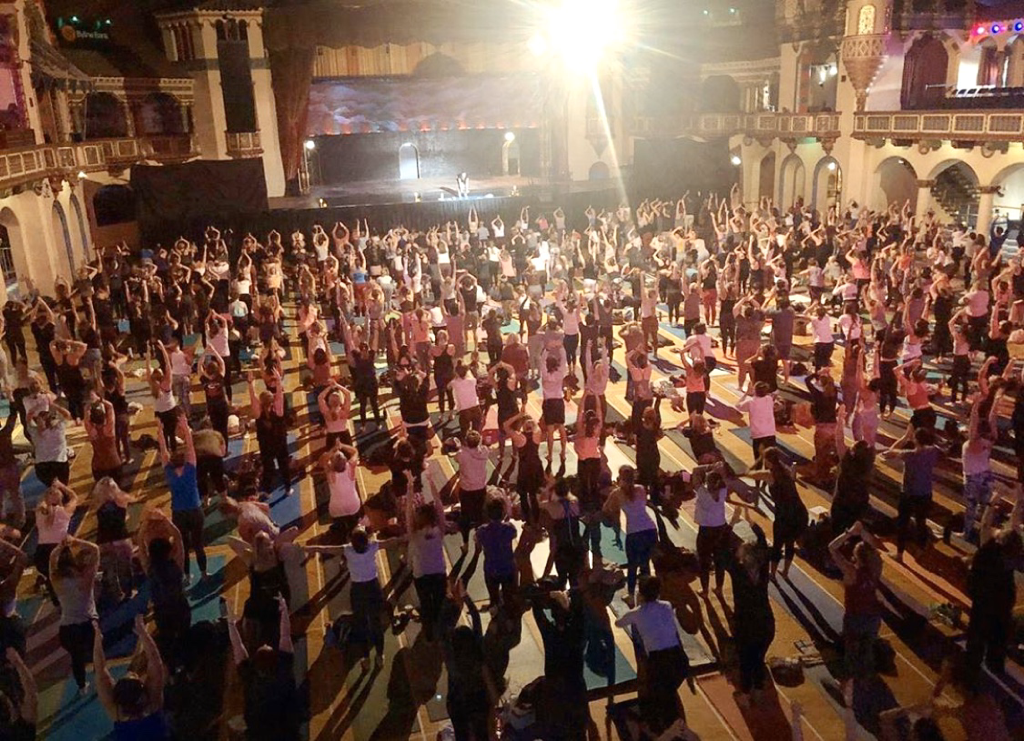 Although I spend much of my time alone, when it comes to traveling, I travel in a pack nowadays. When I was in my 20’s I traveled on my own a lot. Work trips, visiting friends, etc. – I took off without hesitation. I was starting to feel like I was losing some of the zest for and comfort with traveling on my own since I haven’t had the opportunity to do it in a few years. When the chance came up for me to practice with and meet Yoga Girl for a second time, I purchased tickets without thinking twice about whether anyone could come with me or not. I did ask a friend to come along, but that didn’t work out, so this trip did end up being a chance to flex my traveling solo muscles. As I’ve gotten older (and have watched WAY too much Dexter!) I’m a little more aware and afraid of the world around me. So many bad things can happen in an instant. I was stuck in that frame of mind just before I left. I packed a self-defense weapon and mace in my luggage. I tried to talk myself out of it. I felt like this trip would be it – I’d become one of the unlucky women I read about in the news. But I focused on sitting into these uncomfortable feelings and knowing the peace I’d find in the practice I was travelling for. I packed up the car and set off on my five hour trip to Chicago. On the drive I reflected back on how many great trips I’ve taken to Chicago on my own, with Joel, and with friends. It’s a lovely city with so many positive memories for me. I felt proud that because of my many trips there, I know how to navigate the traffic and tolls with as much ease and little anxiety as is possible. It was my easiest trip in and out of the city ever. I must have timed it just right.  Unfortunately, my super cute Airbnb cancelled on my just a few days prior to my trip which left me scrambling to find a place in my price range to stay that was close to the venue so I could drive if I had to. I found a motel that looked decent and had a good price. Upon arriving, I regretted my choice immediately and wanted to cry! From the front desk to the room…the experience was terrible. To top it off, the weekend I was there was the weekend the TVs weren’t working due to some cable transition. Even the staff at the White Castle down the street was rude while I was there – and the food was gross (definitely overrated). It got to the point where all I could do was laugh. I blocked the two doors in my room with all of the furniture I could, left the one TV station I could find on all night, and slept like CRAP. But I survived and have this experience under my belt to talk about. 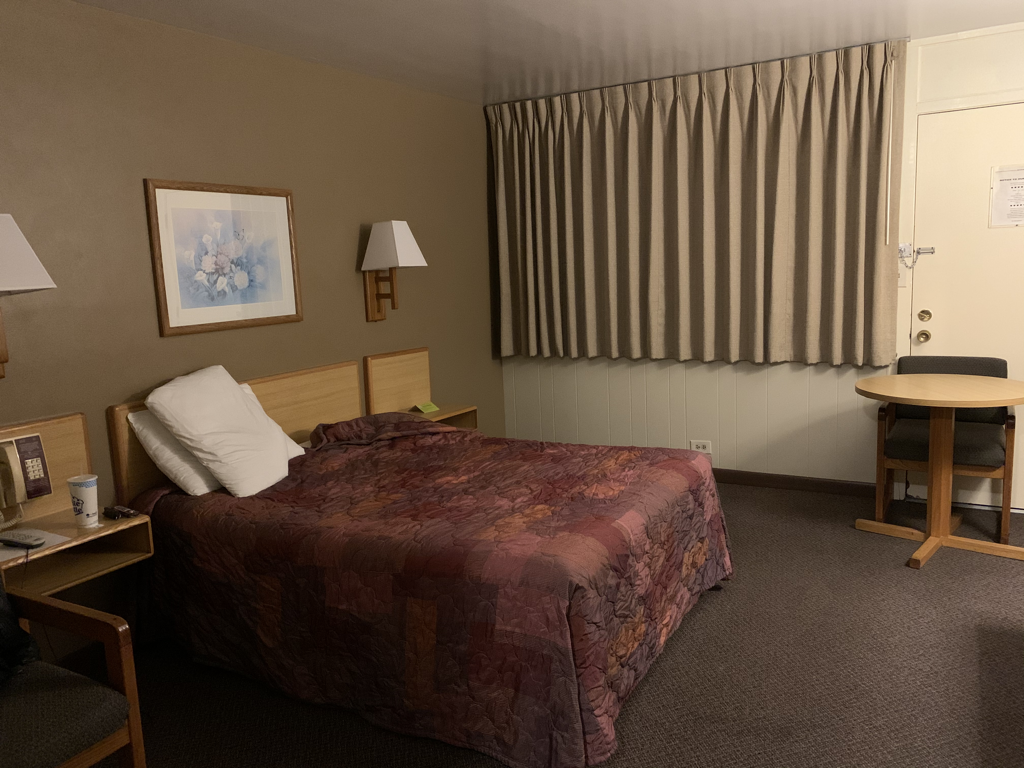 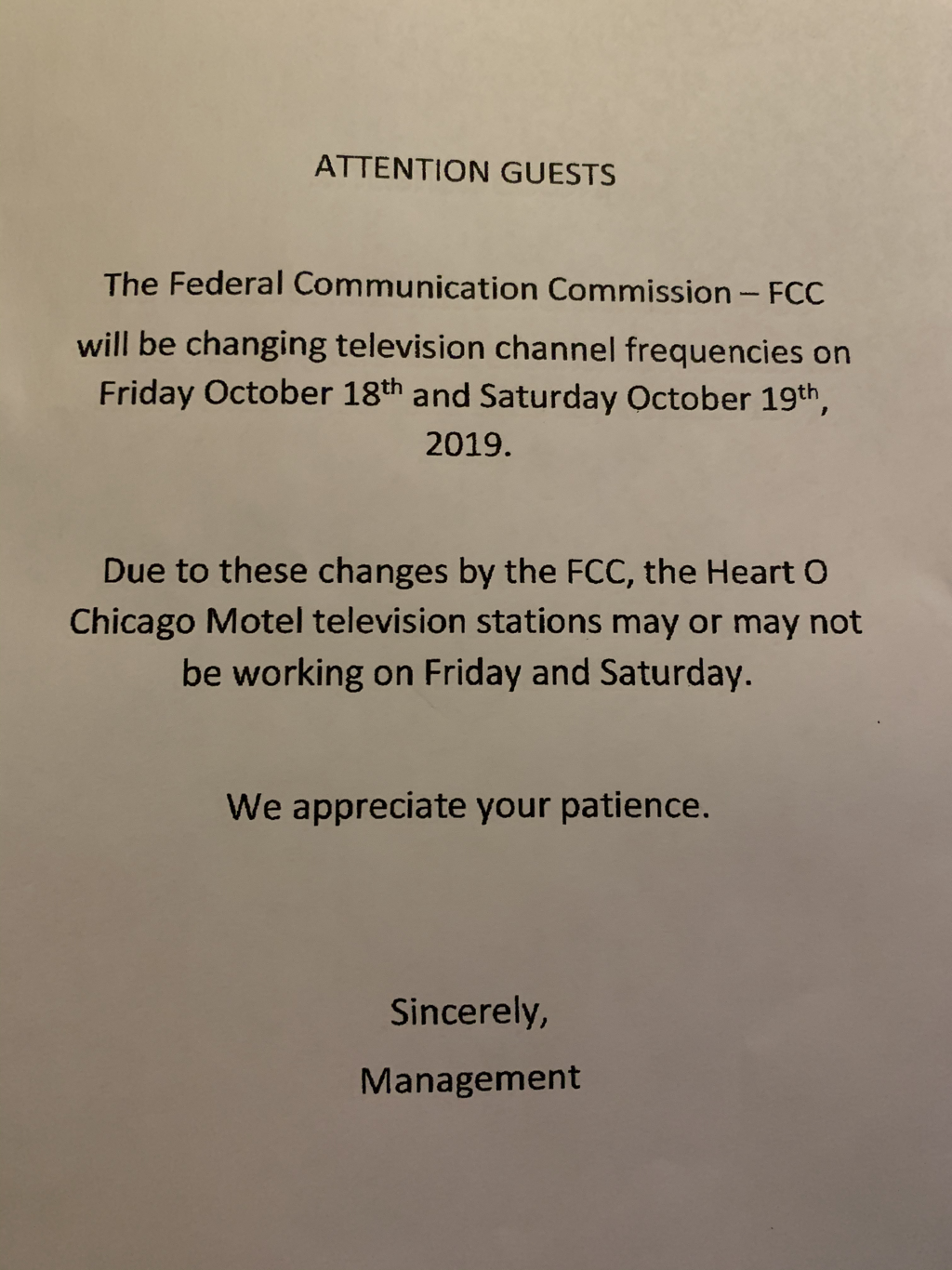 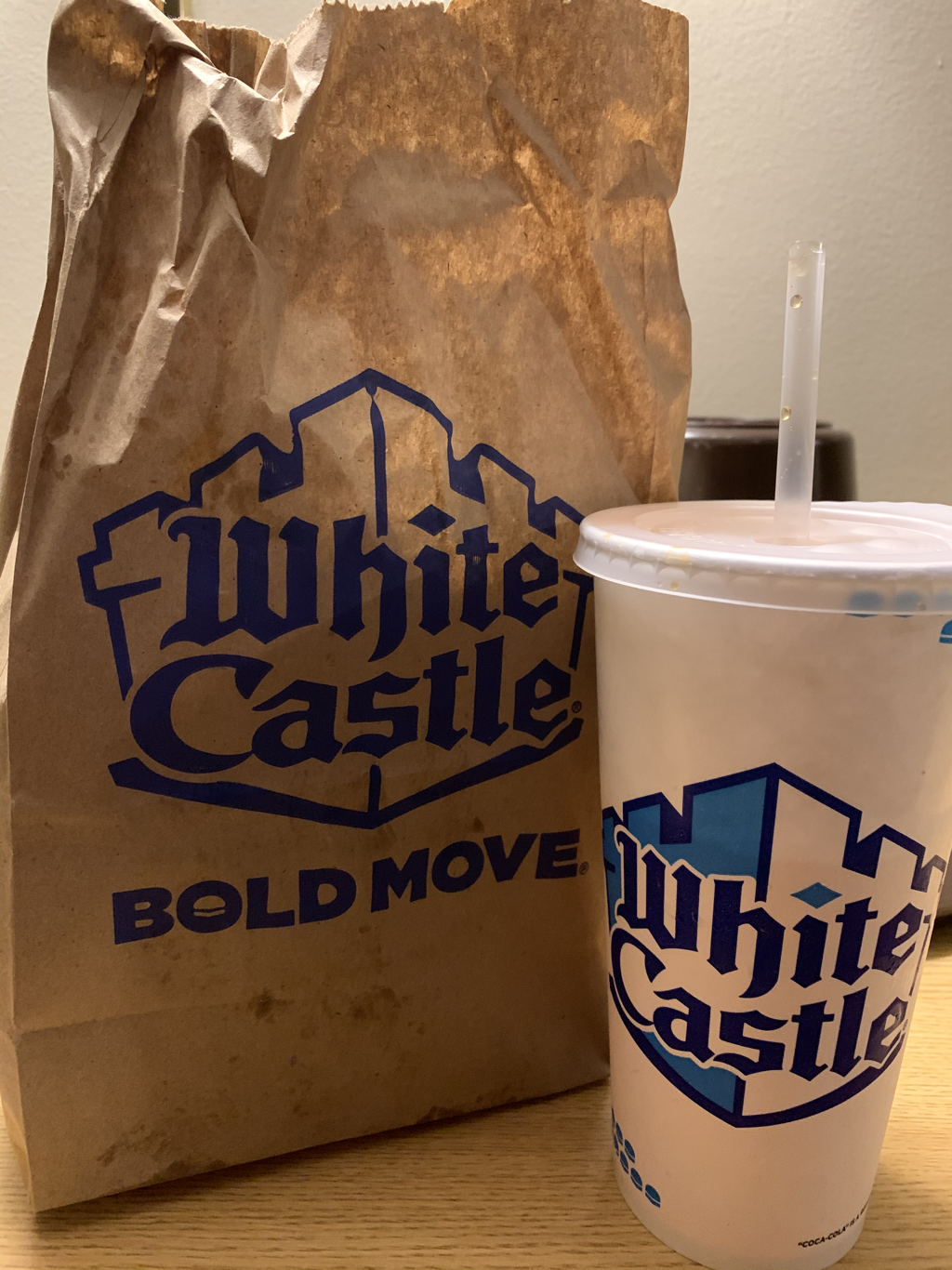 I had to start the next morning early so I could get in line for a good spot at the venue. The motel front desk person was different when I went for breakfast and was so kind, it made up for the previous night. I got an equally sweet Uber driver who was curious about where I was going and when he found out I was going to do yoga, started telling me about the moves he knew from reading a men’s magazine and was practicing himself at home. My morning was off to a great start thanks to these two gems who reminded me not everyone in Chicago is an asshole. When I got to the Aragon Ballroom, walking in by myself was scary at first but quickly transitioned into a feeling of empowerment. I made the choice to come on my own, and that’s cool. We waited together until the ballroom was opened and we all rushed to get a good spot (in a peaceful, yogi way – no Black Friday vibes). I settled myself on my mat, savored the environment of the beautiful ballroom, and watched everyone get ready.  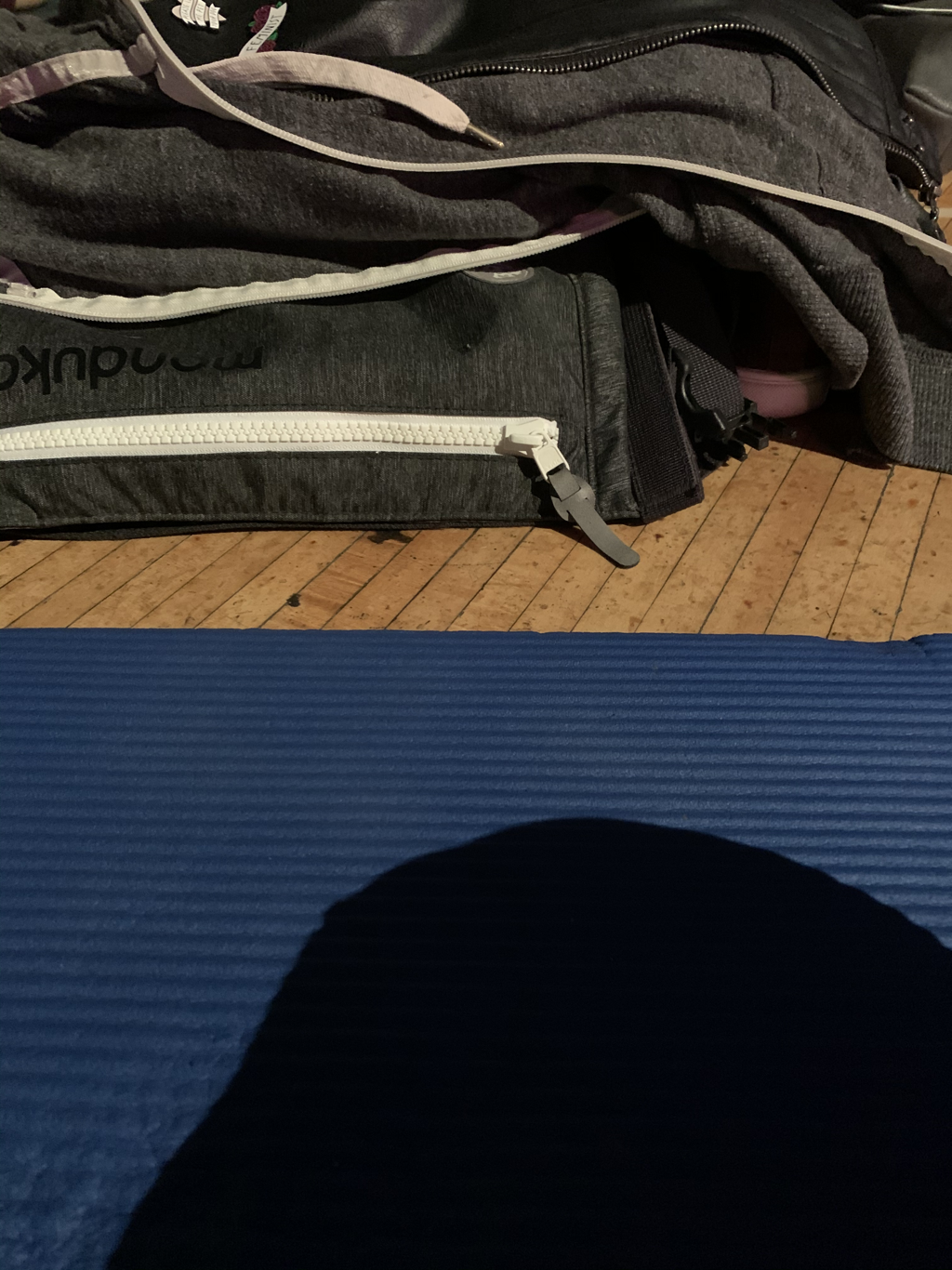 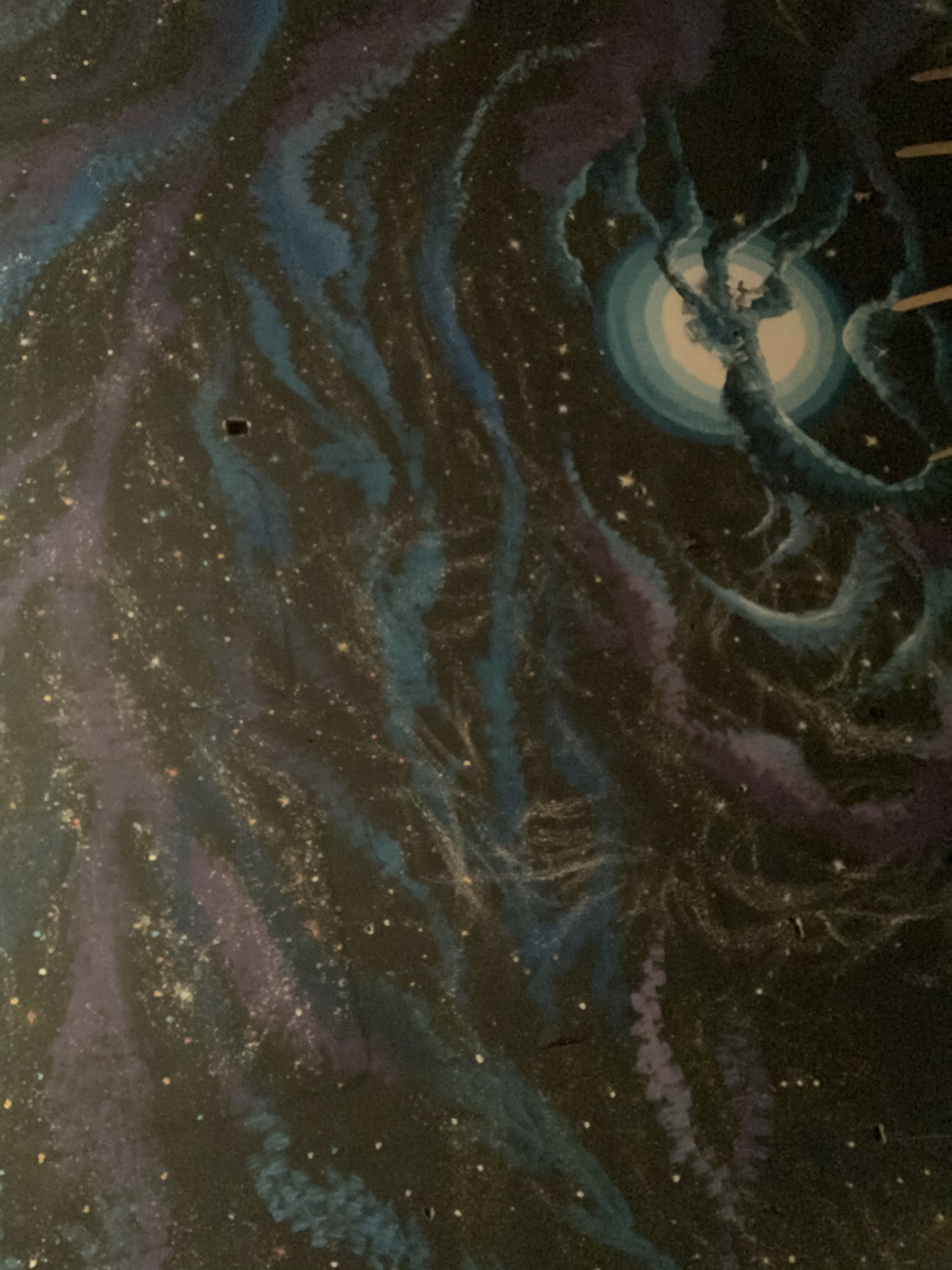 Yoga Girl walked out and the room exploded with a round of applause and smiles. She has a very powerful, Zen presence, and most everyone in that room felt connected to her through social media and her books. She put us through a pretty vigorous practice, which felt really good. We were all nice and sweaty by the end! 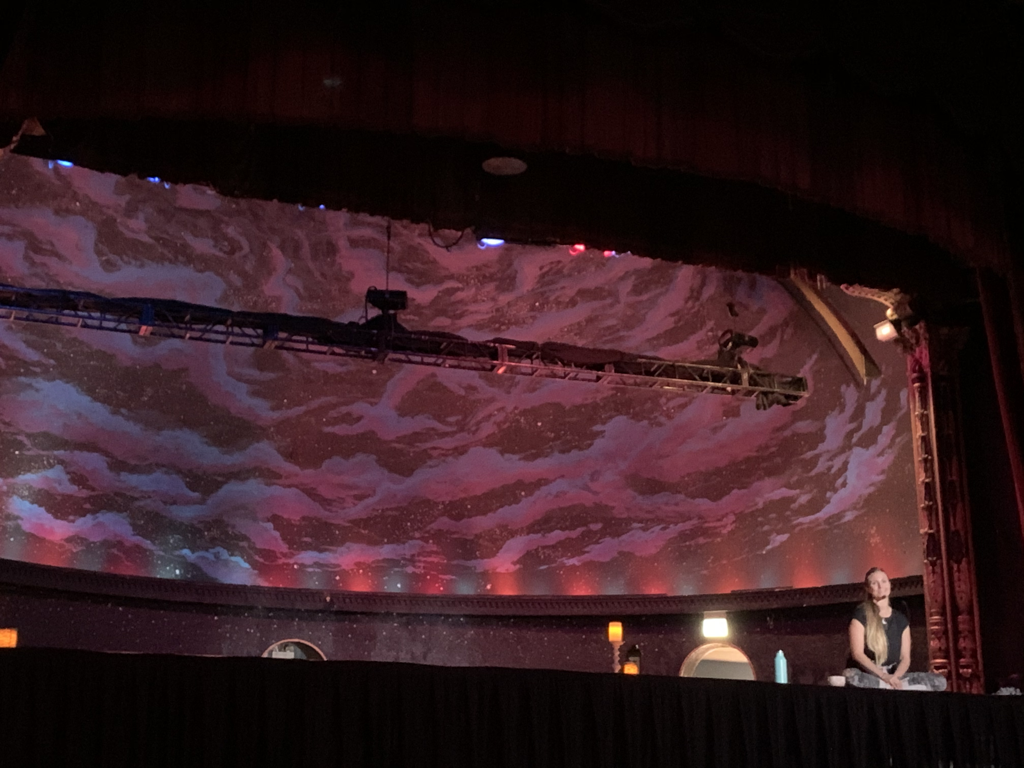 Then came the part I had read about online but was hoping maybe she’d NOT do at our practice…sharing our deepest feelings with a complete stranger. It turned out to be quite beautiful and helped me put into words things I haven’t verbalized to anyone else. Which in turn, gave me the courage to speak my truth upon getting home. We were asked to be active listeners, which was so powerful and made me realize how much I don’t truly listen – I am thinking about something else and/or my response. We sat knees to knees, had to hold eye contact without breaking it for several minutes, communicate non-verbally during some parts, and of course, share what’s going great and what’s going not so great in our lives. The important part was that we weren’t allowed to give advice. We just needed to hold space for them and listen. I had a great partner who was so wonderful and I’ll hold love for her forever. We don’t even know each other’s names. We ended the practice gently and there were MANY tears. Such a huge release of both deeply rooted and superficial emotions. This quiet time was an incredible moment. All of us were there, connected in love. You could feel the love physically filling the room. It could have blown the roof off. I’ve never experienced anything like that. And when I close my eyes to relax at work or at home, I climb back into that moment on my mat. It’s dark and cool. My hand is touching the shoulder of the person next to me, my shoulder is being touched by the person on the other side of me. Calm music is playing. The universe is literally spinning above us on the ceiling. Tears are falling and I’m letting everything – the good and the bad – flow out. And leaving it there. When all was over, I was able to hug Yoga Girl and have her sign her latest book, “To Love and Let Go: A Memoir of Love, Loss, and Gratitude.” A book I’ll blog about on the “Wren’s Picks” page of my blog soon. I have so many “aha” passages I want to share. 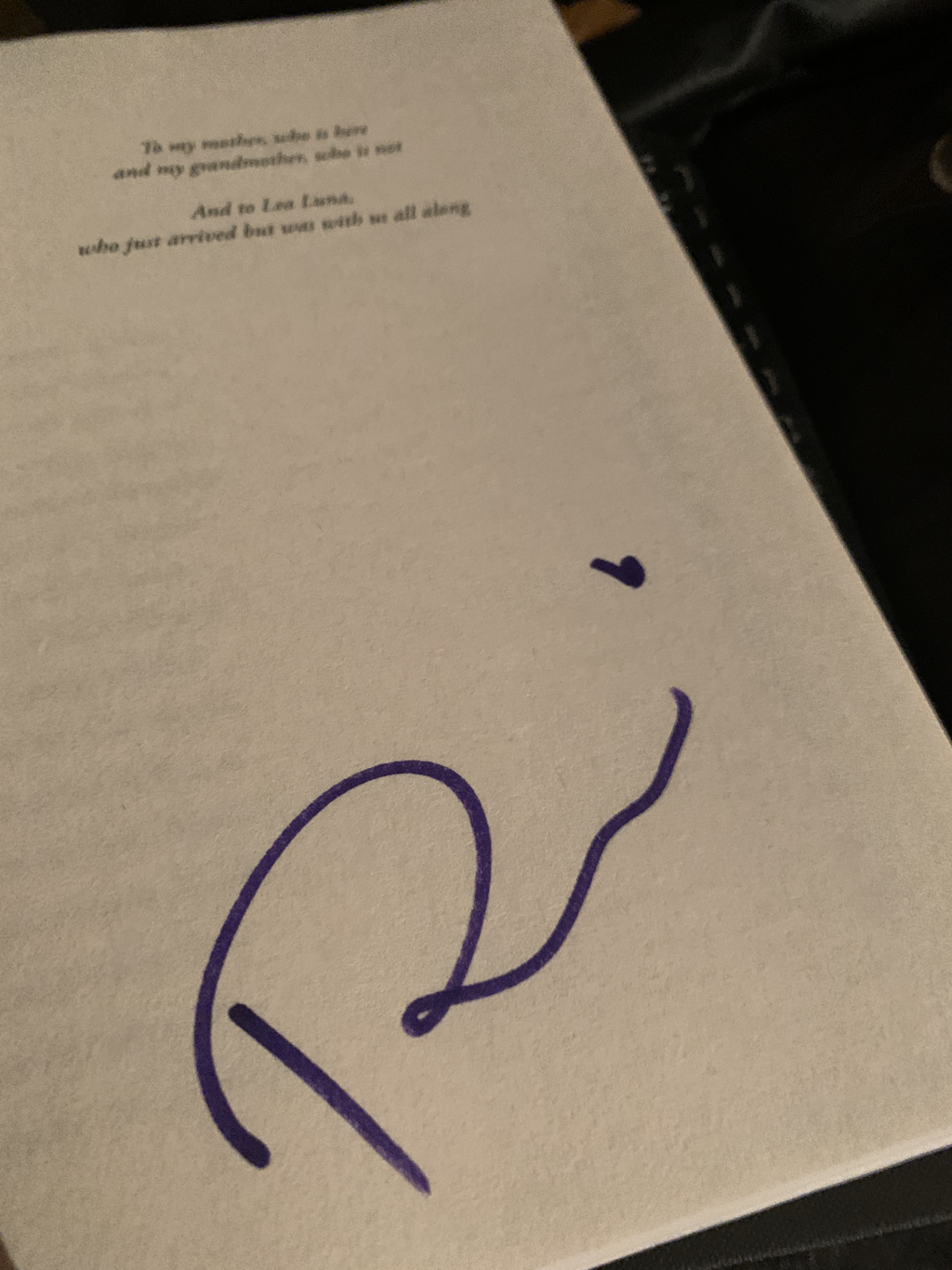 From the ballroom, I hopped in an Uber with another great driver, grabbed some coffee from Starbucks, and was back in my car heading home. It was a whirlwind trip, but I loved every minute of it (in hindsight – because I survived the motel stay).
I was reminded in several ways that I’ve created solid ground for myself that I can stand on. I am an independent, powerful force who has the strength to persevere. I don’t always live in fear. I have moved mountains. There are moments where the woman I’ve been working on steps out and takes my breath away. “There you are,” I say. “You’re what all of this work has been for. I see you. I love you. I thank you.” I got to see her clearly on this trip and welcomed that version of myself to stay with me awhile longer. |
Archives
March 2022
Categories
All
|
 RSS Feed