|
Written By: Yung Pueblo  This piece is not by me, but I felt it was too important and powerful not to share in its full beauty. I hope it speaks to you as deeply as it struck me. These words can only make all of us better humans in all of our relationships. I also want as many people as possible to know about Yung Pueblo. His writings have been some of the most valuable and impactful words I have ever read. Love is interrupted by the pain we carry. It is easy to blame love itself for the hurt we feel, but all love does is open us up; the hurt itself comes from the heavy conditioning and ill-fated patterns that stop us from showing up in a compassionate manner. A person can be in love and also unprepared to care for that love. One can feel love for another, but also have a variety of attachments that block their appreciation for the amazing connection that is right in front of them. Attachments, our craving to have things exist in a very particular way, are the rocks that clog up the mighty flow of love. Our attachments are often molded by the hurt we have felt in the past. In this sense, attachments represent our inflexibility.
Love itself has many synonyms: mental clarity, compassion, selflessness, flexibility, acceptance and understanding. Love is so powerful because it is simultaneously hardy and elastic, it takes on the form it needs to bind people together in a wholesome and nourishing manner. But human beings are complex, and we carry the baggage of survivalist tendencies that we gathered during tough times. Love is freedom while attachment is control, all human beings walk in as a mixture of both when they enter into relationships. What makes relationships work, even when we ourselves are so imperfect, is self-awareness. To be able to see inside of yourself, to pay close enough attention to your mental movements that unconscious tendencies slowly become clear, is an act of love for yourself and for those around you. When you can see if you are being motivated by love or by attachment, you reclaim your power from habitual reactions and start utilizing your intention to bring more harmony into your responses. It takes self-awareness to choose love. Love itself invites healing. It creates a path for two people to not only blossom in self-awareness but to develop their emotional maturity. Love is a powerful light, if you are immersed in it and ready to grow, it will show you more of yourself. Love is not just for your soothing; it is an engine of evolution. The effort you use to remove the reigns of the past from your mind so that you can arrive to the present as an unburdened human being is an act of love. The greatest gift partners can give each other is a continuous commitment to their own personal healing. The love you are able to give to yourself and your partner is determined by your self-awareness. If your self-awareness is growing, you will have a greater capacity for intentional actions that are authentic. If you both find methods to help you unload the past that you carry, you will find your minds lighter and there will be more space for you to deepen your connection. Love is a dynamic force, if you are both able to loosen your attachments, it will help you flow together with greater ease. The uncomfortable truth is that many who have never ventured into healing will struggle to love well. Those who do take their healing seriously have a greater chance at figuring out healthy ways of supporting each other’s happiness. To build the type of home where both of you feel the spaciousness of freedom and the comforting support of the voluntary commitments you have made to each other is a goal worth pursuing.
0 Comments
 My word for 2019 has undoubtedly been “healing.” It’s hard for me to think back on this year without crying tears of both pain and pride.
I put in the work this year. After spending a lot of time thinking about what I could be doing to address my internal world, I threw my hands up and took action. What did I have to lose? The answer to that question is baggage, in every sense of the word. Except for the literal baggage I use for travel. Didn’t lose that. I need that. The year started out pretty rough. I shared in this blog post how I finally made the decision to start depression/anxiety medication and regularly see a counselor. I believe this was the biggest game changer for me. From the moment I got connected with the wonderful providers I see at Unity Point, things I continuously struggle with in my life really started to shift. Putting my foot down to address my mental health was very empowering for me. Caring for a mental illness takes maintenance. Frequent doctor appointments and every other week appointments with a counselor. All during work hours. I have put off so many doctor appointments over the years because I didn’t want to miss work. That changed this year. I scheduled my doctor and counseling appointments in advance so I had a thorough list of dates and times to give my boss. I didn’t ask permission, I told her I would be out at these appointments and would make up the time. She trusts me, supports me, and all she keeps saying is that she’s there for me when I need her. I’m beyond grateful for that. Alongside getting professional treatment, I was taking what I was learning from my doctors and diving deep internally on my own time trying to navigate the heavy feelings I carry with me. There are some specific feelings I’ve had for 10+ years, others for 20+ years. I knew just what they were and what caused them, but I didn’t know how to get through them. I knew deep down there had to be a way. I will say that getting through the negative feelings I was having tied to certain experiences and events relied heavily on forgiving myself (more self-acceptance) and setting boundaries without carrying guilt about it. I’m such a people pleaser and needed to let go of the self-expectation that everyone needs to like me. I don’t have the capacity to please everyone. With many of the choices I make, I’ll be letting someone down. But, in turn, I won’t be letting myself down by putting myself into situations that aren’t good for me. It’s a self-respect thing. Something I’ve never had a lot of as a person who is constantly bending backwards trying to meet everyone’s expectations of me 100% of the time. Doing this made me tired. So putting in the work to avoid letting this drain me any more than it already has in the span of my lifetime was key. In doing this, the interactions I have with others has changed a lot. I increased my time and effort with those who helped keep me grounded, build me up, and fill my heart with love. I decreased or changed the way my time and effort looked with those who have continuously torn me down, belittled me, or don’t value me. I had to get real about my relationships and prioritize who I give my energy to, again, without carrying guilt about it. This alone has been very freeing for my spirit. I have felt so much better taking more control of the commitments I do or don’t make. If there has been a commitment that caused me a lot of strife and anxiety for many years, I’ve had to listen to myself, back up, and start asking, “How can I show support and express love for others in a way that is more comfortable for me?” Maybe it’s keeping in touch on social media, sending a text, mailing a card, meeting for coffee, or inviting others into my space where I craft the environment. It’s a little more work, but it’s worth it. I have felt a lot happier showing up in my own way. And accepting that that’s OK. I connect with others differently, but that doesn’t make me a bad person, a person who doesn’t love her people, or a person underserving of reciprocal love. Of course, all isn’t perfect and there are weeks, especially during this holiday season, when my schedule has been insane. Running from commitment to commitment. Some welcomed. Some not so much. But in these times, I still keep my well-being at the forefront. As I transition from one event to another, I force myself sit down for five minutes for meditation. To get my head right. To get my heart right. To release whatever I’m holding on to so I can start the next thing as fresh and ready as possible. I HIGHLY RECOMMEND TRYING THIS. It’s just five minutes. Five minutes. We all have five minutes. Even if it makes you five minutes late, give that time to yourself. If you’ve got a little more time – MOVE. An hour on a treadmill puts me in a completely euphoric state-of-mind. Everything that happened before I stepped foot in the gym is yesterday’s news. What I’m getting at is – put your oxygen mask on first! The change I’ve seen within myself is palpable. I feel it. I see it. I appreciate it. I’m proud of it. I feel very much healed. Because I finally gave myself permission to feel that way. I’m not the victim if I don’t allow myself to be. I can be the person certain traumas end with. I'm willing to do the work. The way we live our lives is completely up to us. And as I know I’ve said before – as long as we lead with love and kindness without malicious intent – that way of thinking is OK. Putting yourself first is not selfishness if it saves your sanity! 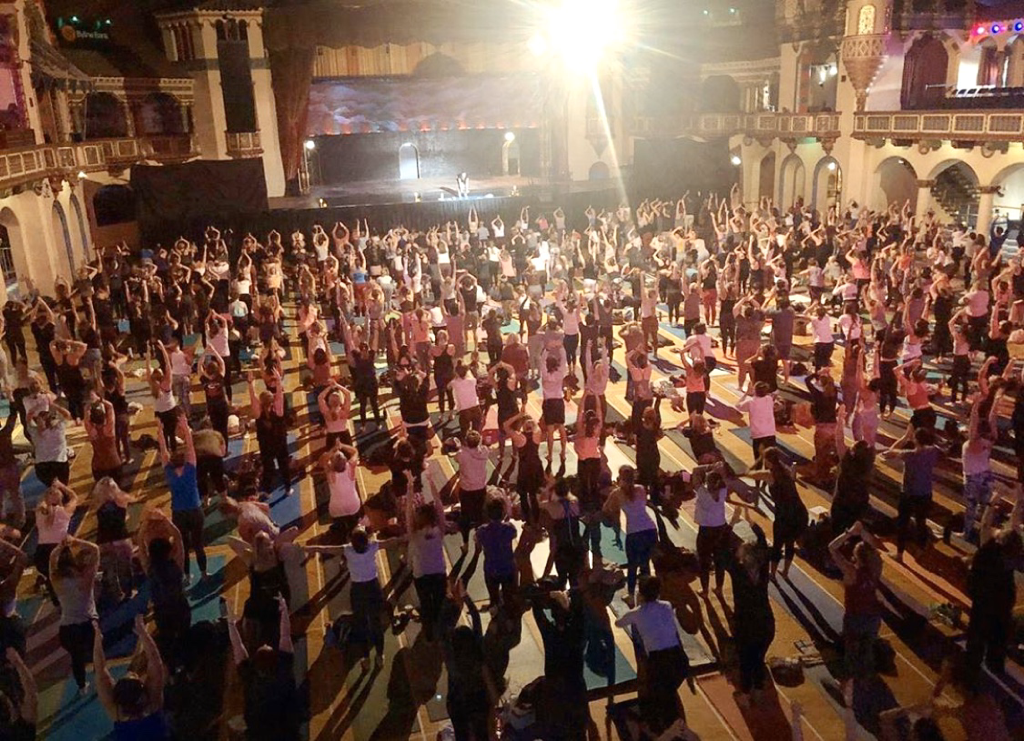 Although I spend much of my time alone, when it comes to traveling, I travel in a pack nowadays. When I was in my 20’s I traveled on my own a lot. Work trips, visiting friends, etc. – I took off without hesitation. I was starting to feel like I was losing some of the zest for and comfort with traveling on my own since I haven’t had the opportunity to do it in a few years. When the chance came up for me to practice with and meet Yoga Girl for a second time, I purchased tickets without thinking twice about whether anyone could come with me or not. I did ask a friend to come along, but that didn’t work out, so this trip did end up being a chance to flex my traveling solo muscles. As I’ve gotten older (and have watched WAY too much Dexter!) I’m a little more aware and afraid of the world around me. So many bad things can happen in an instant. I was stuck in that frame of mind just before I left. I packed a self-defense weapon and mace in my luggage. I tried to talk myself out of it. I felt like this trip would be it – I’d become one of the unlucky women I read about in the news. But I focused on sitting into these uncomfortable feelings and knowing the peace I’d find in the practice I was travelling for. I packed up the car and set off on my five hour trip to Chicago. On the drive I reflected back on how many great trips I’ve taken to Chicago on my own, with Joel, and with friends. It’s a lovely city with so many positive memories for me. I felt proud that because of my many trips there, I know how to navigate the traffic and tolls with as much ease and little anxiety as is possible. It was my easiest trip in and out of the city ever. I must have timed it just right.  Unfortunately, my super cute Airbnb cancelled on my just a few days prior to my trip which left me scrambling to find a place in my price range to stay that was close to the venue so I could drive if I had to. I found a motel that looked decent and had a good price. Upon arriving, I regretted my choice immediately and wanted to cry! From the front desk to the room…the experience was terrible. To top it off, the weekend I was there was the weekend the TVs weren’t working due to some cable transition. Even the staff at the White Castle down the street was rude while I was there – and the food was gross (definitely overrated). It got to the point where all I could do was laugh. I blocked the two doors in my room with all of the furniture I could, left the one TV station I could find on all night, and slept like CRAP. But I survived and have this experience under my belt to talk about. 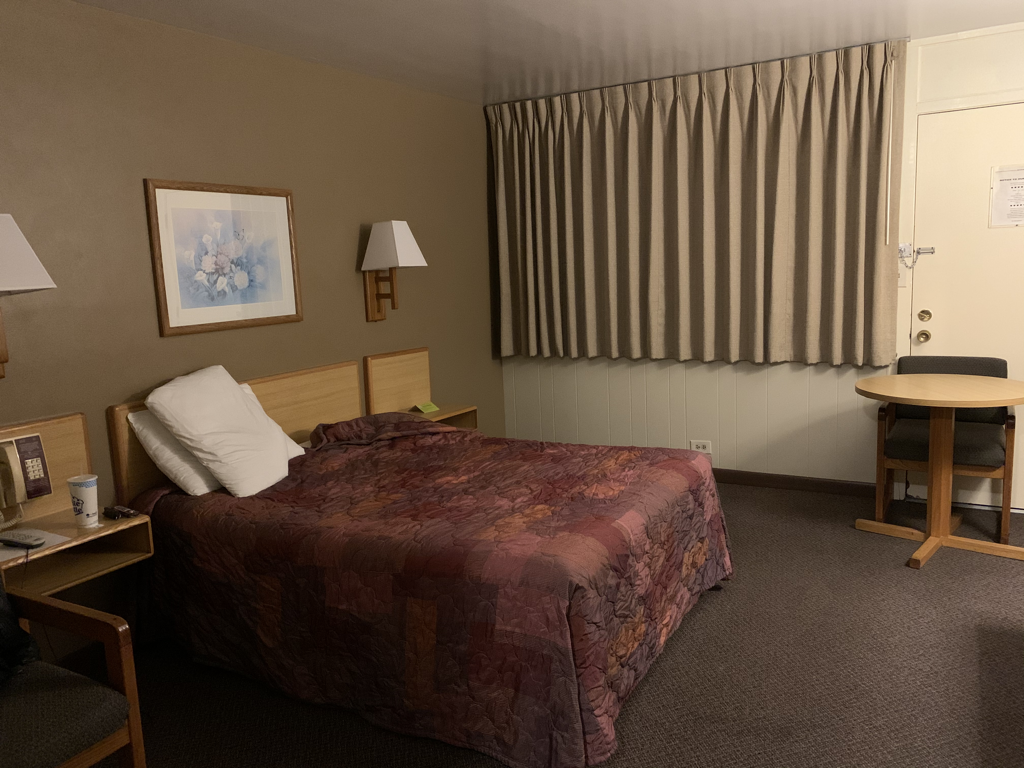 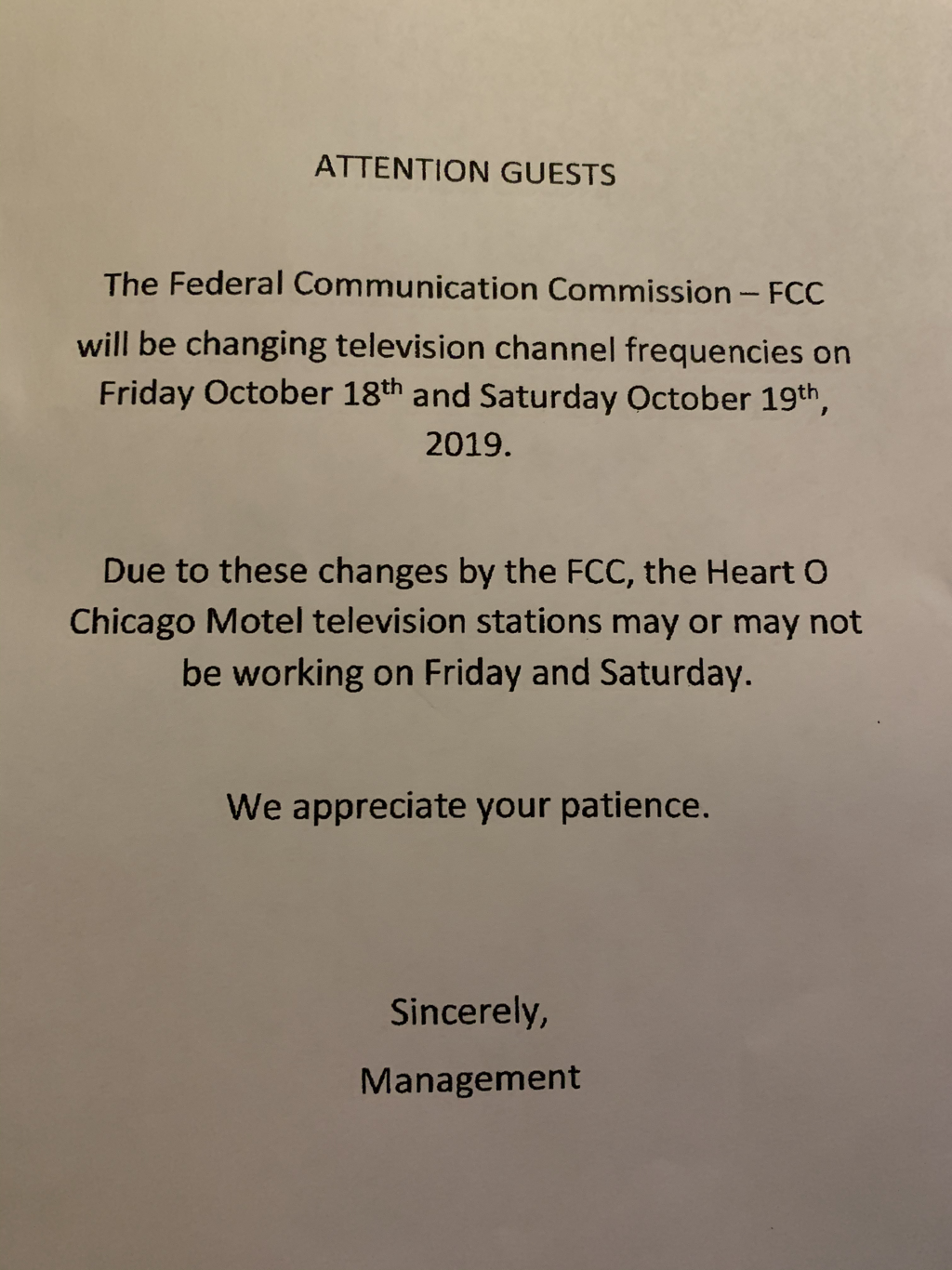 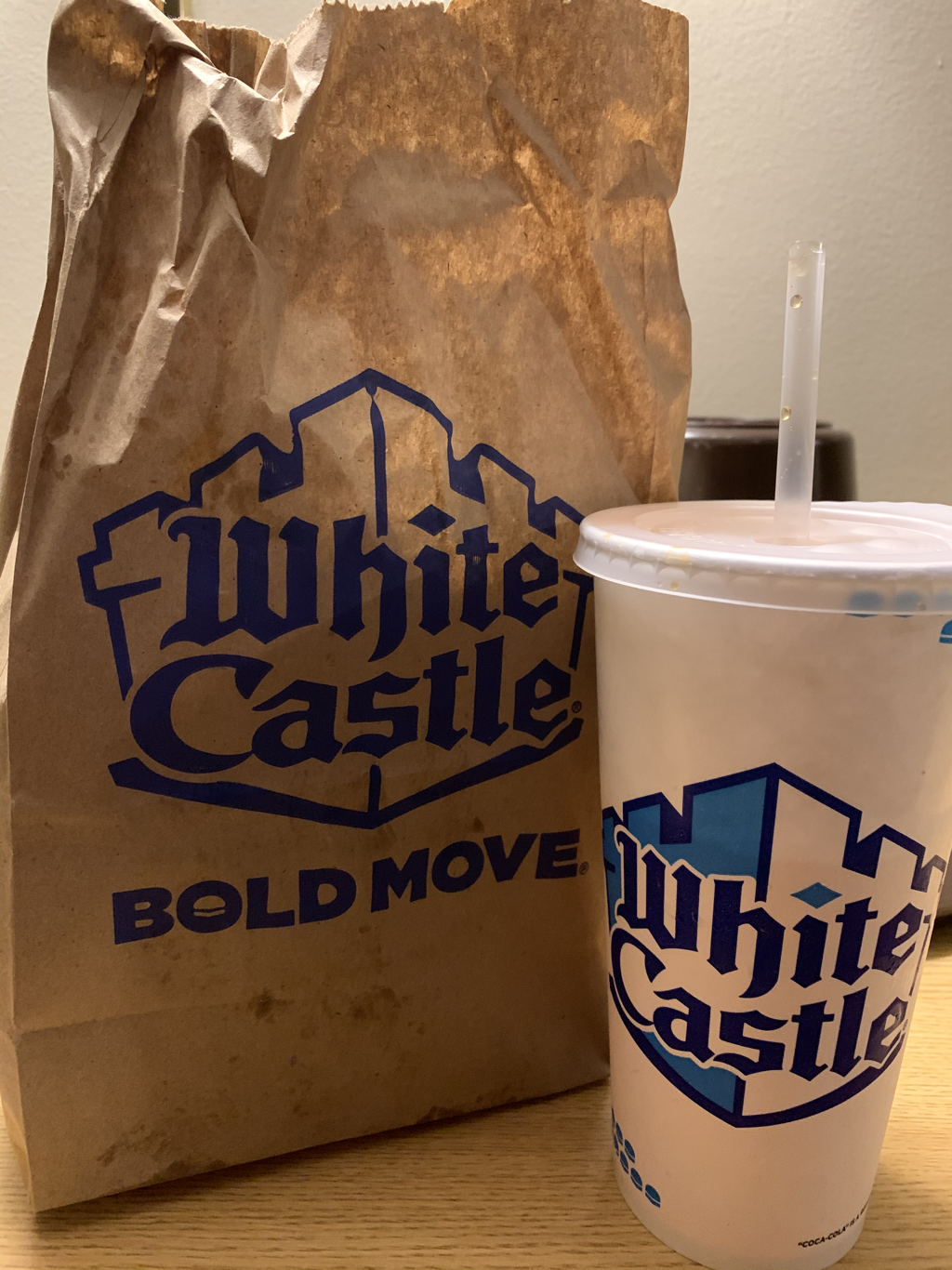 I had to start the next morning early so I could get in line for a good spot at the venue. The motel front desk person was different when I went for breakfast and was so kind, it made up for the previous night. I got an equally sweet Uber driver who was curious about where I was going and when he found out I was going to do yoga, started telling me about the moves he knew from reading a men’s magazine and was practicing himself at home. My morning was off to a great start thanks to these two gems who reminded me not everyone in Chicago is an asshole. When I got to the Aragon Ballroom, walking in by myself was scary at first but quickly transitioned into a feeling of empowerment. I made the choice to come on my own, and that’s cool. We waited together until the ballroom was opened and we all rushed to get a good spot (in a peaceful, yogi way – no Black Friday vibes). I settled myself on my mat, savored the environment of the beautiful ballroom, and watched everyone get ready.  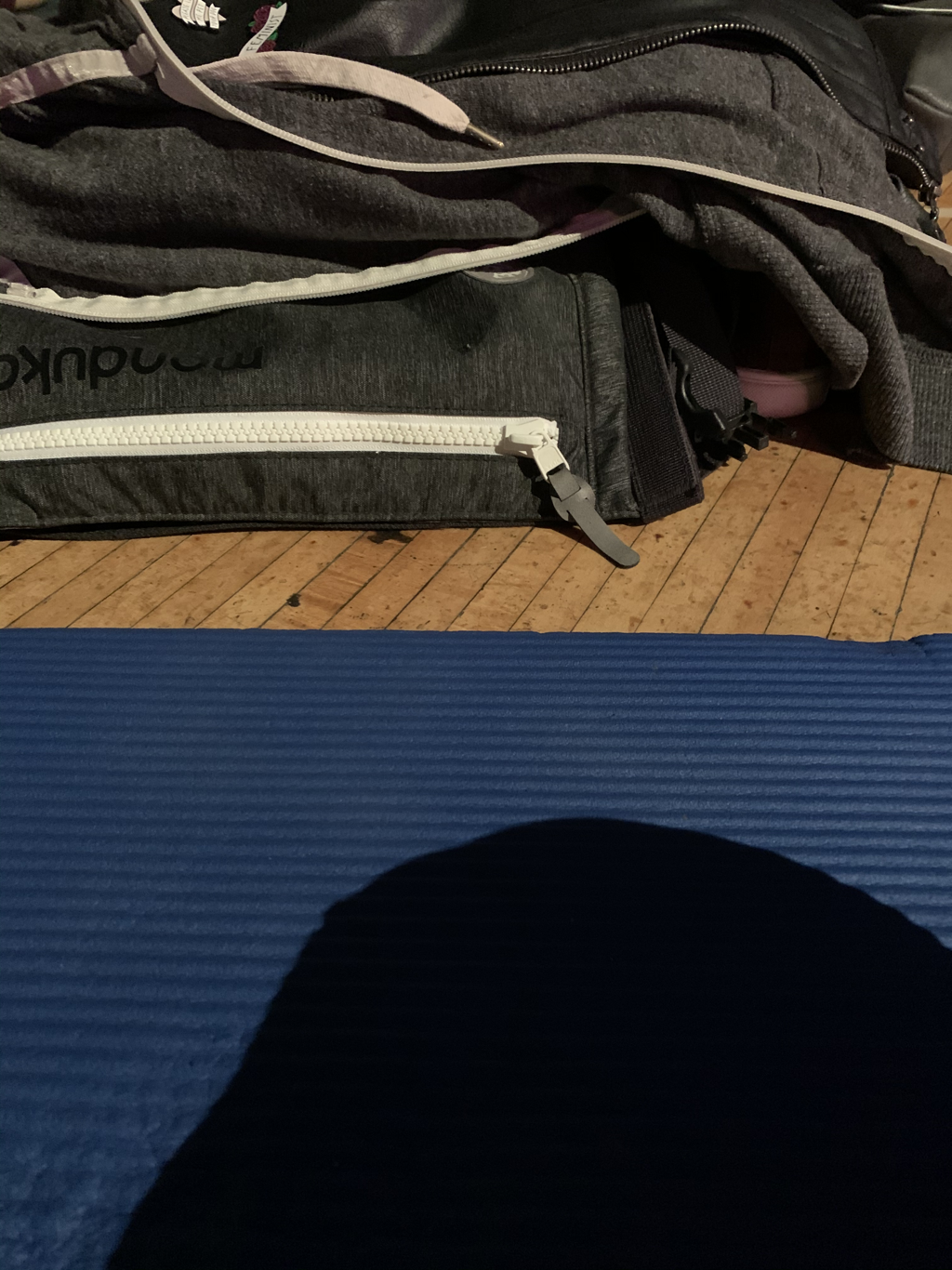 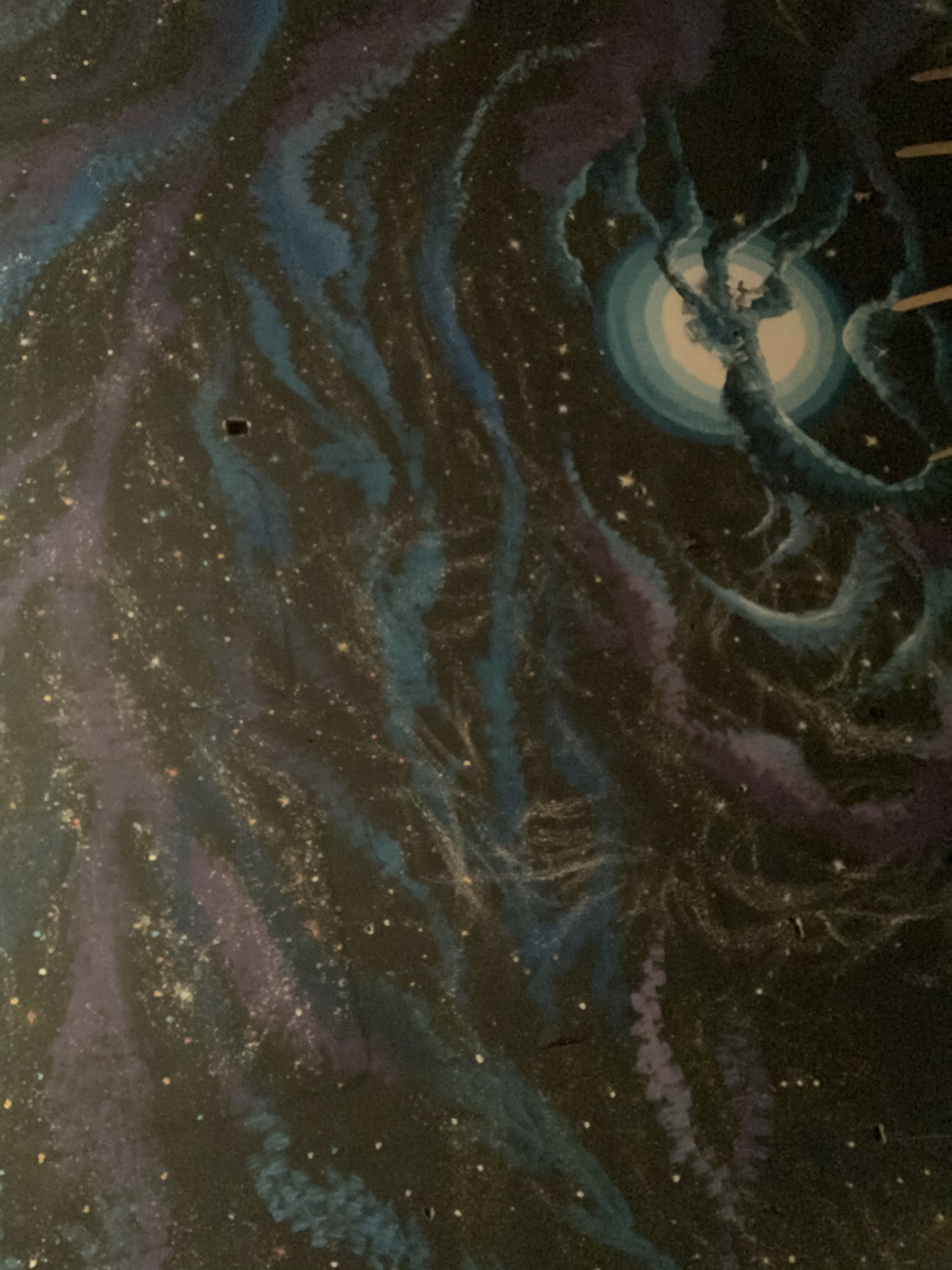 Yoga Girl walked out and the room exploded with a round of applause and smiles. She has a very powerful, Zen presence, and most everyone in that room felt connected to her through social media and her books. She put us through a pretty vigorous practice, which felt really good. We were all nice and sweaty by the end! 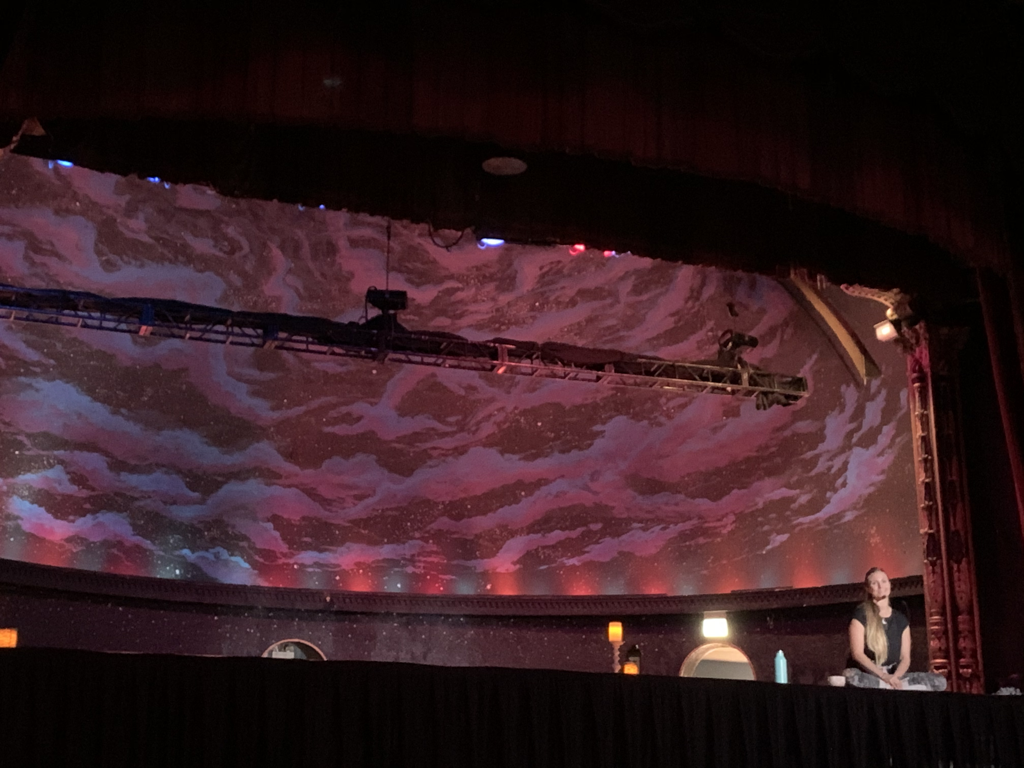 Then came the part I had read about online but was hoping maybe she’d NOT do at our practice…sharing our deepest feelings with a complete stranger. It turned out to be quite beautiful and helped me put into words things I haven’t verbalized to anyone else. Which in turn, gave me the courage to speak my truth upon getting home. We were asked to be active listeners, which was so powerful and made me realize how much I don’t truly listen – I am thinking about something else and/or my response. We sat knees to knees, had to hold eye contact without breaking it for several minutes, communicate non-verbally during some parts, and of course, share what’s going great and what’s going not so great in our lives. The important part was that we weren’t allowed to give advice. We just needed to hold space for them and listen. I had a great partner who was so wonderful and I’ll hold love for her forever. We don’t even know each other’s names. We ended the practice gently and there were MANY tears. Such a huge release of both deeply rooted and superficial emotions. This quiet time was an incredible moment. All of us were there, connected in love. You could feel the love physically filling the room. It could have blown the roof off. I’ve never experienced anything like that. And when I close my eyes to relax at work or at home, I climb back into that moment on my mat. It’s dark and cool. My hand is touching the shoulder of the person next to me, my shoulder is being touched by the person on the other side of me. Calm music is playing. The universe is literally spinning above us on the ceiling. Tears are falling and I’m letting everything – the good and the bad – flow out. And leaving it there. When all was over, I was able to hug Yoga Girl and have her sign her latest book, “To Love and Let Go: A Memoir of Love, Loss, and Gratitude.” A book I’ll blog about on the “Wren’s Picks” page of my blog soon. I have so many “aha” passages I want to share. 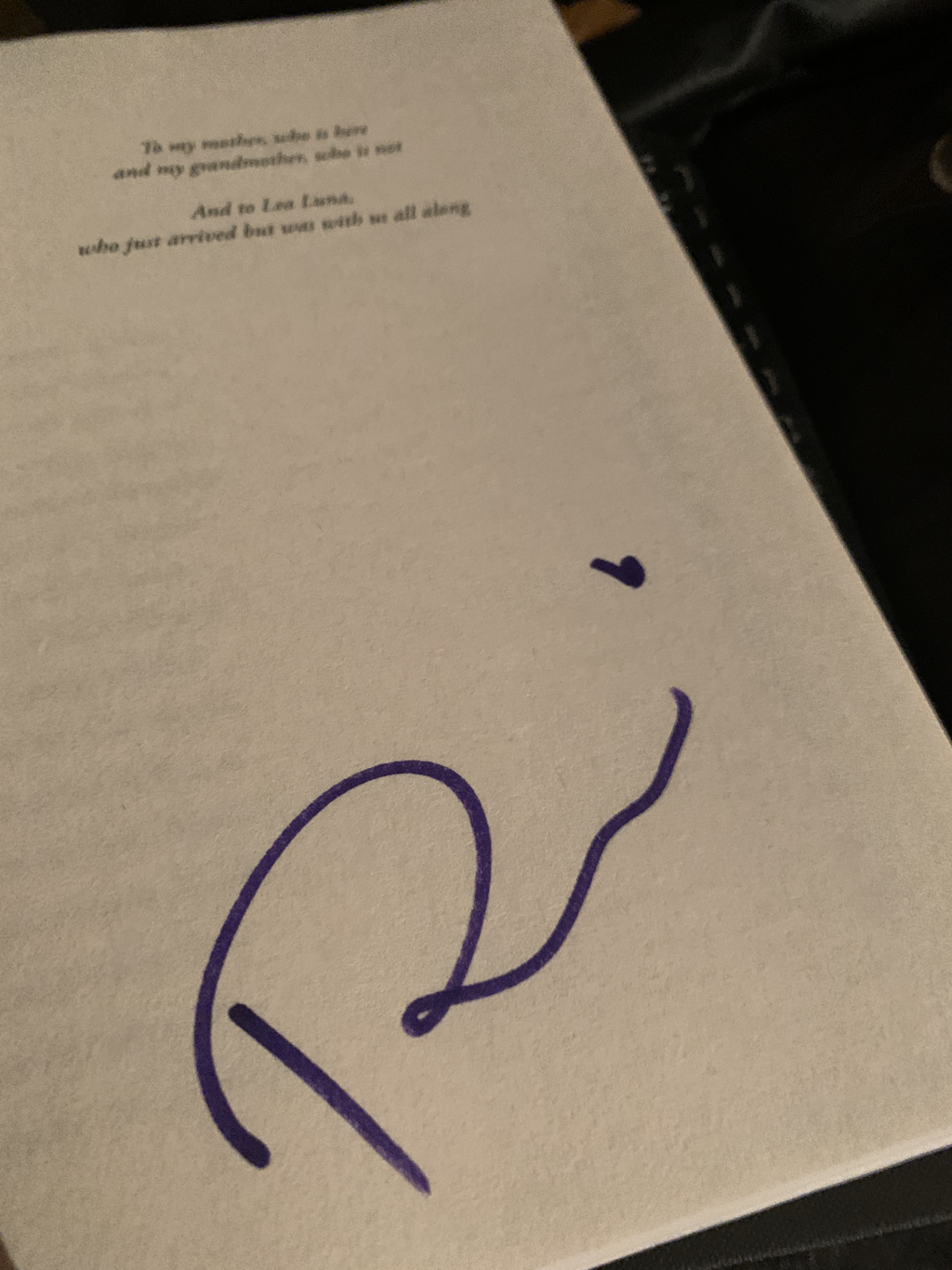 From the ballroom, I hopped in an Uber with another great driver, grabbed some coffee from Starbucks, and was back in my car heading home. It was a whirlwind trip, but I loved every minute of it (in hindsight – because I survived the motel stay).
I was reminded in several ways that I’ve created solid ground for myself that I can stand on. I am an independent, powerful force who has the strength to persevere. I don’t always live in fear. I have moved mountains. There are moments where the woman I’ve been working on steps out and takes my breath away. “There you are,” I say. “You’re what all of this work has been for. I see you. I love you. I thank you.” I got to see her clearly on this trip and welcomed that version of myself to stay with me awhile longer. I’ll start with this graphic because I love it (along with pretty much everything Emily McDowell does)and it perfectly outlines where I’m at right now! 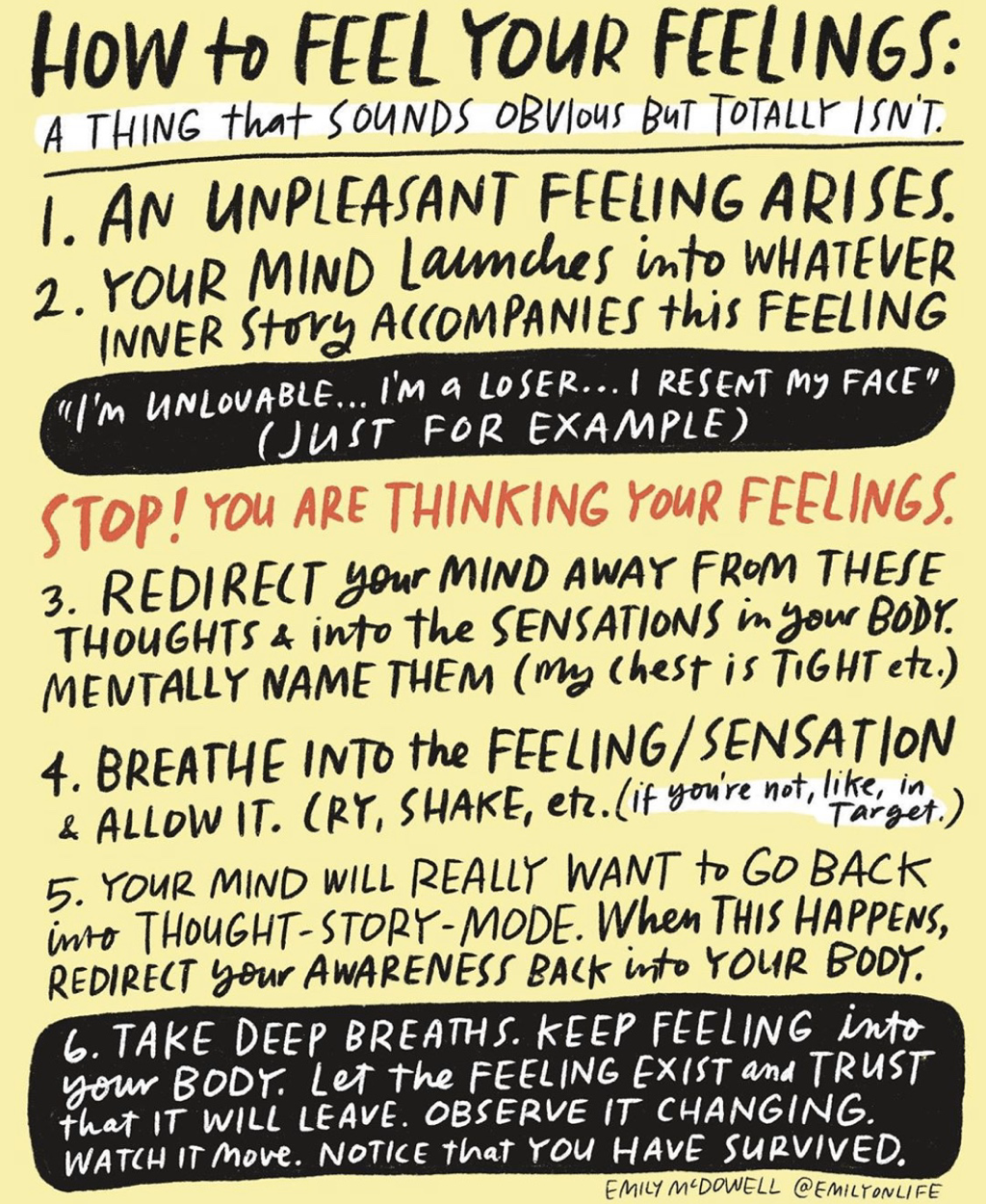 A message that keeps presenting itself to me in various forms (including through the above graphic) has to do with relaxing into the uncomfortable. Anxiety/frustration/anger comes from fighting that which we have no control over. When we accept that what is going to happen is going to happen and find contentment vs. fear in that, we’ll be better off. To further illustrate what I mean, I’ll share the affirmation card I have pulled (no lie) every single time I have sat down with a heavy mind/heart and sought divine answers: “You are the sky. Everything else, it’s just the weather.” We are the constant. Everything around us is unpredictable – warm, cold, sunny, rainy, ideal, disastrous. The question and challenge in this is how solid is our foundation? Can we weather the weather? Because I know this concept is what the universe is daring me to do in order to test the foundation I’ve really been working hard to strengthen, I have been giving it a try. And you know what? I am pleasantly surprised by the results. I have had time to let this message sink in as I have received it. So when it came time to put it into action, I was ready. I think I’ve mentioned before that I completely believe the world loses its shit when there is a full moon – and what I experienced earlier this week just adds more fuel to that fire. Work threw some pretty wicked curveballs my way over the course of two days. My work is really important to me, I take it personally, and I pride myself on the quality and thoroughness of what I produce. When cracks start to show, my brain is hard wired to beat me up with the heaviest self-deprecating stick it can find. More like logs, or trees. It’s brutal. BUT, because I know we can choose what we want our mindset to be and redirect our hard wired reactions – I tested out relaxing into the uncomfortable. In the moment, my mind did its usual explosion of anxiety and defensive tactics. I breathed through it and went back to my office. I told myself that if anyone was judging me negatively based on what happened, I lovingly gave that back to them. It wasn’t my burden to carry. I calmly thought through the situation, looking at it not as an example of my incompetency, but as a learning experience. Identified what was mine to own and do better with in the future. Every time an anxious ping, bad thought, or abusive language towards myself bubbled up, I took a breath and let a wave of relaxation wash over me. Repeating, “What happened doesn’t define me. I am all I need. It’s OK. I am OK. You are human. These feelings will pass. It is what it is, you can’t go back and change it. I will own what is mine to own.” If I hadn’t listened to the messages being sent to me, my evening would have looked a little like this: ball of anxiety, chest pain, obsessive thoughts, spiked Arnold Palmer, constant venting, potential moodiness. And it probably wouldn’t have stopped there. I would have carried it through the rest of the week. Instead, I stayed calm. If I felt my bad habits coming on, I enjoyed my family, I stretched, I journaled, I pulled affirmation cards (which ended up being the one I mentioned at the beginning of this post), and I went to bed realizing tomorrow is a new day – an opportunity to be free of the burdens I was carrying. By simply (well, not so simply really) relaxing into what was happening, working through it, and showing myself compassion – I was able to handle some really tough stuff that normally would have destroyed me. Proof that all the tough work we put in to become better people for ourselves and others sticks sometimes. After I made it through all of this, I saw the message below and I really felt it. We should be proud of the triumphs we experience as a result of intentional thoughts and actions we implement – whatever they may be. I wish you all of the best in your continued human journey. Know I believe in you. I’m right there with you. And if you ever need someone to support you, I’ve got you. 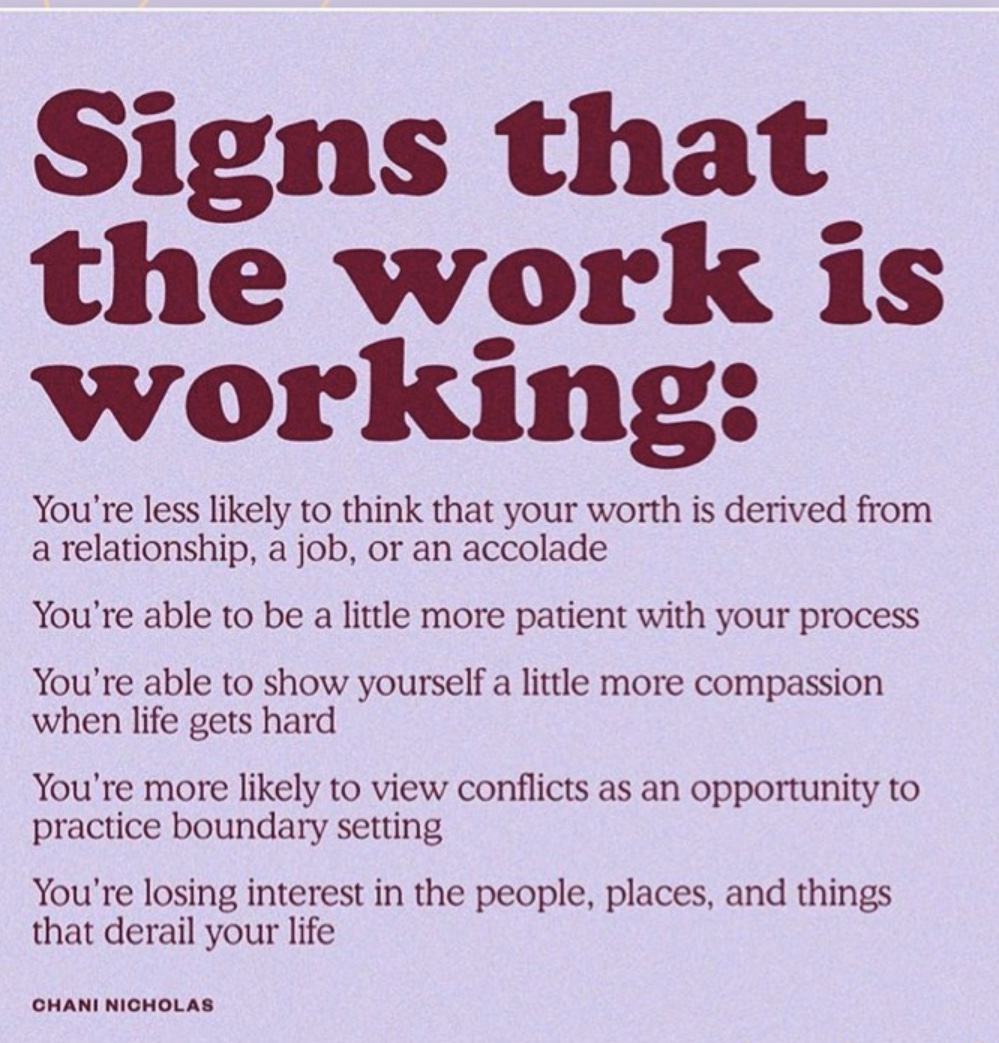 Crying isn’t something I do a ton of. Teary eyed over a touching commercial or thinking about something special, yes. Full blown sob, no. That wasn’t the case this week. I’ll be describing what I’ve experienced over the past few days as “heart openers” – moments that broke my chest open and released emotions I didn’t know were lingering just below the surface. On the Spot There are two things that completely traumatize me: meetings and public speaking. I try my best to manage my anxiety around these things and have made strides over time. But when I was put on the spot by a leader at work meeting, assigning me to a presentation in front of 140+ people, any coping skills I had flew out the window. Heart Opener 1: Release of pure terror about having to do something that is literally what my nightmares are made of. I somehow made it through the rest of that day in a fog, holding back the flood of tears. I became incapacitated from sobbing on the way and upon arriving home. Joel changed his plans so he could come home and be with me. I cleaned up my face as well as I could and we headed into town for dinner. On the way to town, we happened upon a kitten lost on the side of the road. I didn’t know then, but this would be my third heart opener, which I’ll talk about shortly. That kitten was exactly what I needed. It was the perfect distraction. It forced me to remember what is important and that I have so many places my heart can rest – like when I’m holding an affectionate, purring kitten. Divine intervention came to mind. It felt too good to be true in that devastating moment for me. I continued on as I always do. Worked my butt off, including an event I worked on Saturday, which luckily turned out to be heart opener number two. I threw together the presentation and practiced it over and over again. Our CFO surprised me by stopping by my office, and after recognizing my fears, became an unexpected public speaking coach. He used to be in my shoes (utterly mortified), but forces himself to practice so he can speak in front of people comfortably. He gave me tips, he met with me to do a run through the morning of, he introduced me before I presented, and off I went. I think it went well (I’m a terrible judge of myself because I “black out” during presentations) and we gave each other high fives when it was over. This heart opener has a few parts. Feeling the DEEP fear I have for public speaking burst to the surface. And surviving the presentation. Letting the fear flood out of my heart was painful and felt endless. But I lived. The pain I was feeling transitioned into pride, knowing that even though I didn’t give a Mel Robbins level speech, with shaky knees and racing thoughts, I stepped up and did it. I faced my nightmare. It’s still a nightmare, but it lost a little bit of its scariness. I was also able to connect with someone who I never expected to connect with and am better off for it.  Sense of Community As I mentioned, I worked an event over the weekend. Weekend events are OK – but better when my buddy, Romina, is there. I expected it to be a typical event, people come by our table, take some freebies, chat a bit, leave. There was that, but it felt different. The event was called “Take Back Our Community” and was hosted by two local men from Friends of Health the Family, Inc. who want to make our community a better place. The event’s focus was a “celebration of our neighborhoods, a renewal of our spirit of togetherness, and a reorganization of our progress in supporting our town, our neighborhoods, our homes, and our families.” Heart Opener 2: Creating a new friendship with the organizers and feeling welcomed into a community that isn’t necessarily “mine.” Mike and Cory were attentive to our needs, thankful we were there, and their passion for our community was palpable. Attendees were receptive to our information and even if they didn’t stop by, they thanked us for being there. We were one of few vendors, so it meant a lot to them that we showed up to offer our support. I didn’t feel worthy of the gratitude we were receiving, and I forgot I was working. By being there – you were part of it. Welcomed with open arms. We watched so many impressive performances by youth and adults from Waterloo. Proud of where they live. Wanting to live in harmony with their neighbors. Encouraging youth to find outlets that keep them off the street – away from drugs and guns and violence. This heart opener ran deep. With love for the African American community, the joy they spread, and the sense of unified community among them that is extremely unique and admirable. I felt privileged to be accepted into that community without hesitation on their part, when I easily could have been the “enemy” in today’s societal climate.   Percy Now it’s time to get to the found kitten I named Percy (because he purred so much). Who won my heart immediately and broke it to pieces when we parted ways. As I mentioned, I feel like it was divine intervention meeting Percy. This is Heart Opener 3 for more reasons than one: First, to break my fear thought cycle; Second, to remind me where my heart lies at the end of the day; Third, to serve as a reaffirming sign for something Joel and I had just started talking about. We scooped him up from the side of the road. He was very small and malnourished, so we took him home and fed him. I called my sister who has farm cats and asked if he could stay with them. We took him over and he seemed to fit right in. He was fearless, curious, affectionate, and loving. He ate some food and drank some water while we were there. But each day, he seemed to get more ill. When I went to pick him up three days later, we was visibly sick and couldn’t walk well. I thought he had passed away in the car, but upon getting home, he hadn’t. He was his happy, cuddly self. He wanted to be with me. So as I bawled, I called Joel to help me determine whether to let him pass away or take him to the humane society. We decided to take him to the humane society in hopes they could help him. Before Joel got home, I wrapped Percy up in a towel and held him close, walked to the backyard and petted him. Told him he was loved. I held him all the way to the humane society. With red eyes and tears all over my face, I handed him over. They must have thought he could recover because they did not put him down, but he did pass away overnight. It’s amazing what an impact animals can have on us. I knew him for such a short time, but all animals are sacred in my book, and he didn’t deserve to die. But that happens. It’s just the way things are sometimes. This heart opener was needed. Amid the fear flowing out of me, I needed love and hope to combat it. I loved this little one and hoped he would get better. Even though he didn’t, he was a significant sign for me and I’ll never forget him.   Here I am on the other side of these moments. Head above water. Still breathing. Changed. These moments were so saturated with meaning, they stood out from the day to day. They challenged me and scared me and warmed me and humbled me. They happened. And for that, I am grateful. My heart is open in three new ways. That’s significant. That’s needed. For all of us.  I think I’ve mentioned this before, but if you live in Iowa, you know this past winter was LONG. Painfully long. The entire state was going stir crazy. Then all of a sudden it was summer and here we are in July already! Winter is a season I welcome because life quiets down. Our calendar opens up, allowing for a lot of staying home and settling in. Spring and summer always catch me by surprise. I like to ease into things, but our schedule becomes completely insane the moment the last bit of snow melts. The <gasp> social events start lining up back-to-back, consuming every open block of time we have. I’m trying my best to shift my perspective toward all of the social interaction that has happened and is to come this year. When I’ve wanted to say, “No.” I’ve said, “Yes.” For the most part – boundaries still have to exist and when I’m drained, I have to crash. Three events in one day is my max. I’ve showed up when in the past I would have freaked and stayed home. No matter how scared I feel, I push myself to be present. This decision has had both its good and bad moments. I feel very rusty socially. Like I’m flexing my social muscles for the first time in a long time. I say this because I’m trying to use them in a different way – showing up as myself for better or worse vs. just being a warm body in the room. Even though I’m social 40+ hours a week at work, when it comes to being social in my free time, “being good” at it is hit or miss. I can do robotic, professional conversation with ease. But when it comes to unscripted, unplanned conversation that <double gasp> involves talking about myself, revealing unseen pieces of me – it’s tough. Because this, all of this: 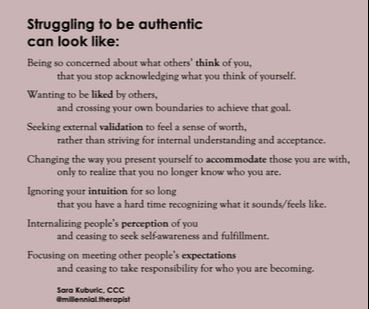 Check, check, check…External validation, baby. My number one nemesis. I will bend backward until it hurts with a smile on my face if it means you’ll think I’m perfect.
One item that really stuck out to me, that may explain why I feel like being more social has felt rough, is: “Changing the way you present yourself to accommodate those you are with, only to realize that you no longer know who you are.” That, 100%. That has been on my mind a lot lately. In my effort to find genuine connection with those I’m spending time with – attempting to share more of who I am to do this – I find it hard to do because I have these stock responses ready that I know are acceptable, but I’m bored of saying them. Smile. Laugh. Insert generic responses here. Trip over a word. Say something “dumb.” Stop talking because I don’t want to make a bigger fool of myself. Become consumed with how I’m being perceived. Lose track of the present because I’m in my head. Count the minutes until I can exit the situation. All for the sake of trying to be perceived the way I suppose deep down I want to be perceived and the way I suppose deep down I believe others want to perceive me. Enough perceives for you? I promise I won’t use that word again. In this post. I will say though, that even though it has been uncomfortable for me to put myself out there and try to be a more present person for those around me, I am proud of myself. It’s been really frightening. It’s forced me push through challenging moments that I normally ruminate on, because I’m off to the next event and need to be there, not inside my head. It’s giving me a bigger glimpse into who I am while I simultaneously try to find some pride and confidence in what that looks like. It hasn’t been all doom and gloom. True relationships are starting to take shape. A better one with myself. A better one with others, old and new. Although my old habits haunt me, I’m trying to stay the course. With each social encounter, attempting to shed some of the impossible standards I have for myself in order to "fit in," allowing my true “tribe” to stick around and others to fall away. I know I’m not alone in this struggle. Tell me how you navigate being authentically YOU! Phew! What a whirlwind the past few months have been. We vacationed, we sold a house, we took work trips, we celebrated milestones with family, all while working our butts off at both work and home. The signs of Spring have us feeling relieved that Winter is finally (knock on wood) OVER. We keep saying that “next week” things will get back to normal, but we have a feeling that it’s full speed ahead until Winter returns. Although we made it to the other side alive, navigating the hustle and bustle of the past few months has not gone without its challenges. I started going back to a counselor at the start of the year due to returning panic attacks. Maybe my body was sensing what was to come in February and March? My anxiety and depression levels were also out of whack, to the point where I knew I needed professional help. Having candid conversations with my counselor was very valuable. We dove deep and tried to identify the root of my feelings. I love her and the new tools she has given me. In addition to counseling, I started thinking about taking medication again. If you’ve read past posts of mine regarding my mental health, you know I’ve tried medication but did not like 1) depending on medication to function, I like to handle my mental health naturally through meditation, yoga, etc. and 2) how it made me feel. But in conversations with my husband who, bless his heart, knows the deepest darkest part of this illness, brought up a good point. He asked if I’d rather continue riding this rollercoaster of anxiety/depression/panic attack ups and downs, or start medicine, maybe experiencing some side effects I don’t enjoy, but overall being able to better cope with life. I sat with this thought for weeks and came to the conclusion that yes, I wanted to try incorporating medication into my holistic mental health efforts. So I talked with my counselor and scheduled an appointment with my primary care provider. When we got to the point of talking about why I was there, I confidently told him that I’m ready to start medication and stick with it. No more quitting when I “feel better.” That’s not how it works. I won’t “get better” or “be cured.” This is a lifelong deal. My doctor confirmed this in the most powerful way and I could have hugged him for it. Here is what he said to me, “Augusta, I have been seeing you since 2007. Back in 2007, you came to me with these same concerns and we put you on medication. (Which I quit.) When we discovered you had issues with your thyroid (I have hypothyroidism) you never questioned having to take medication for the rest of your life because I could show you on paper that you need it. I can’t show you on paper that you need medication for your mental health, maybe for the rest of your life, but I think you are a person that does. Some people just need more of what only medication can provide.” He has supported me over the years and is not a “pill pusher” – it’s always, “exercise, diet, spirituality – if something’s causing you pain – get rid of it, quit it, etc.” So this coming from him meant a lot and solidified my decision. He was so right. I am very science/data driven. I need proof. And proof is something he is never going to be able to give me. So here I am, enough weeks in to start feeling the effects of the daily medication. And I’m feeling better. It doesn’t erase everything, but it eases it. I also have a medication that will help with panic attacks when I feel them coming on. Simply knowing that I have these makes me feel more at ease because I don’t have to suffer. I was already taking daily medication for my thyroid and my vitamin D levels, so I decided to buy one of those Sunday – Saturday pill organizers so I’m religious about taking my medications every day. Because I truly need them to be the best version of myself. Whether I have “proof” for all of it or not, I know my body, I know my mind, and I know there is NO SHAME in taking medication to help them both function normally. If you have had the same struggles over the years, going back and forth about whether or not to start taking medication for your mental health, I’d be happy to talk with you about it. It took me so many years to finally feel it in my bones that I needed to start it and stick with it. You have to be ready to commit. You can’t let others’ opinions be a factor. You can’t quit when you “feel better.” You have to do what’s best for you. You don’t have to let yourself get to a place you don’t think you can get out of. There is so much out there to help. Wishing you all the best and sending hugs!  I hope your new year got off to a great start!
I thought I’d pop on to give an update on how I’m feeling after committing myself to the free 30-day Dedicate Yoga Journey and 35-day Mindset Reset programs. I talk about both of these programs over on my Wren Picks page if you want full details. I’m a little over halfway through both programs and am loving them both equally! It has been wonderful to be intentional about taking time to focus on my mind and body every single day. It’s amazing what can happen in just a couple of weeks. What I’m noticing from daily yoga: I can definitely tell a difference when I do yoga in the morning vs. at night. My entire day is different in the best ways. So you’d think I’d want to do it that way every day, right? Not necessarily...If I don’t “have to” do yoga in the morning, I save it for the evening because it's a good way for me to wind down. When I say “have to” do yoga – I’m not saying it in a bad way – I’m just torn right now because I’m reading a really good book so I’m pumped for “off mornings” when I have time to spare before work! It’s truly amazing how fast our bodies can snap back when you return them to past routines. I like to think when our bodies respond positively to what we’re doing, we’re on the lifestyle path we’re supposed to be on. I try to do yoga as often as I can, but weeks can go by in between practices sometimes, so it’s been nice to make it a priority again. I can already feel my strength coming back. My posture getting better. A little tone (even if it’s miniscule) showing in my arms. Aches and pains getting worked out. And of course the little world in my head feels better, too. I am more calm, focused, and present. I can normally get lost in the movements, which provides such nice relief to my over productive brain. What I’m noticing from daily reflection: This journey has been a little more difficult. I am learning SO MUCH from the program, but the work and self-reflection it requires has brought some painful truths to light. But they are truths I had to see in order to move forward. It’s all about the root cause. What happened to me or what did I observe that causes the actions and reactions I express today? Pretty powerful stuff. Not always pretty. But powerful. Another big key point is recognizing the default thought patterns we’ve come to believe as truths and replacing them with deliberate thoughts. Most of the default thoughts running through our head are coming from past experiences (many, but not all, from childhood) where we were trying to fit in, be accepted, stay part of the pack, not make waves, etc. But as ADULTS, we don’t have listen to those thoughts anymore. We can CHOOSE to think differently. We can think “this,” not “that.” We don’t have to be defined by the big triggers we brand ourselves with – “I’m not enough.” “I’m not lovable.” “I’m a bad person.” When we believe these things, we truly become these things. And that’s not OK! Instead, we can say – “I am doing my best.” “I am loved.” “I always come from a place of good intention.” It’s up to us to flip the switch. I was already hyperaware of myself and the world around me, but now I’m hyperaware in a different way. For example, now that I know anxiety is the physical manifestation of worry in our bodies, I pay close attention to what my body is doing at any point in time. Am I tense, tingly, tight? Where? Why? And what can I do to ease out of it? I’m hoping if I keep catching myself, my body will naturally start reacting in a cooler, calmer way to my triggers. There are SO MANY other gems to learn from this program. I feel like I’ll be processing what I’m learning for the next few months as I continue to practice the tips that are offered. My favorite part is that this program is scientifically based. As a science nerd, I love so much of the information being shared. Neuroscience? Studies? Proven to be effective? Yep – that’s my type of advice. Patience is a virtue here. Overcoming items we are challenged with is not an event, it’s a process. The best thing I’ve learned so far: Creating a morning routine is a GAME CHANGER. I hate mornings. I hate hearing my alarm. I used to hit snooze 3-4 times a day. I most intensely hate leaving my bed. It’s my favorite place on Earth, so peeling myself out is no easy task. I love it so much that the other night I literally thanked it for existing. My love for my bed runs deep. Anyway – I’ve learned that getting out of bed at the right time – when my mind is most ready – will serve me all throughout the day. The snooze button is not allowed. This is the most important and valuable trick I will follow faithfully. Here’s what is recommended for a morning routine:
I could cry thinking about how much I appreciate this space I have created for myself. It is sacred. I look forward to it. I revel in it. I carry the peace and positive energy with me into the day. This post turned out to be not so quick…but I hope it encourages you to explore options for improving your physical and mental health. Our bodies and minds are something we take for granted daily, so take a few minutes a day to connect and understand what they are trying to say to you! 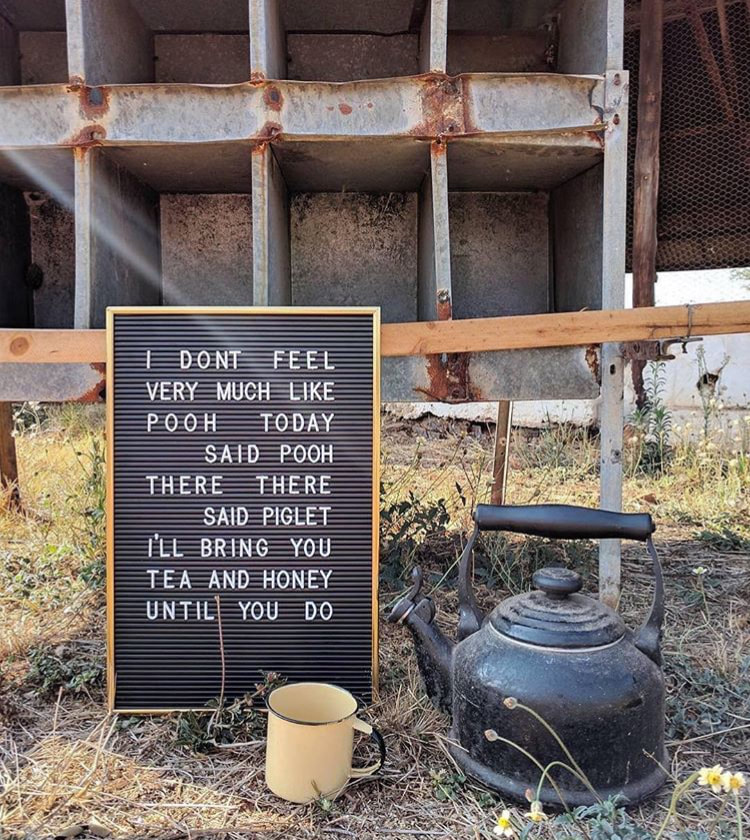 Photo by disastersofathirtysomething (https://www.instagram.com/disastersofathirtysomething/) The Thanksgiving and Christmas holiday season has become a time of year I dread. This year I am having an especially hard time. I literally feel like the Grinch – which is so unlike me! Unfortunately, my mental illnesses have a grip on me this time around that no amount of meditation, yoga, baths, water, or wine has been able to remedy.
With so many commitments, the days fly by. Personally, this makes the time we spend with others feel less authentic and more like we’re just going through the motions in a valiant attempt to make everyone happy. Always watching the clock for the next place we need to be. Small talk. Eat. Small talk. Games. Next event. Repeat. Sound familiar? Not necessarily my style. Certainly not a series of events that is good for my mental health when I’m running on empty. Some years I have the strength for this routine with a genuine smile on my face and in my heart. But to be candidly honest, this year is not one of them. My Advent Calendar is counting down the days until all of this is OVER, versus a countdown in anticipation of the magic of Christmas. With so many large group interactions on the calendar (my worst nightmare) paired with an already depressed outlook over the next few weeks I can feel my brain joyously preparing to overanalyze and vilify each moment, making me the bad guy in every situation. If this doesn’t happen to you, trust me, it’s the absolute worst and is only amplified by the weight of the holidays. For me, getting through this period will require taking one day, one event, at a time. Attempting to be kind to myself following interactions that I have major anxiety about and reminding myself to be realistic about them along the way. I’m holding on to the hope that if I continue to come from a place of kindness with no intentional malice (it’s none of my business if someone reads it that way), no matter what I say or do should be OK. I’ll just have to show up as I can and give what I can. Which doesn’t feel like a lot at this point! I wanted to share my experience with you before the holidays because I hope that it encourages a sense of empathy within you towards those in your life who have a known mental illness or are simply acting a little “off” this holiday season. We all carry a certain level of stress during this season, but for someone with a mental illness, that stress can trigger feelings that send them spiraling into a blinding black hole. <Slowly raises hand.> Sometimes you can seemingly “have everything to be thankful for,” but when you are dealing with mental illness, gratitude for what you have can be hard to feel and express. Being surrounded by lots of family can be suffocating. Simple interactions can feel too heavy. A lot going on, in general and in the moment, can completely drain someone. Here are a few things I’d love for you to keep in mind this holiday season as you spend time with family and friends who may have a mental illness:
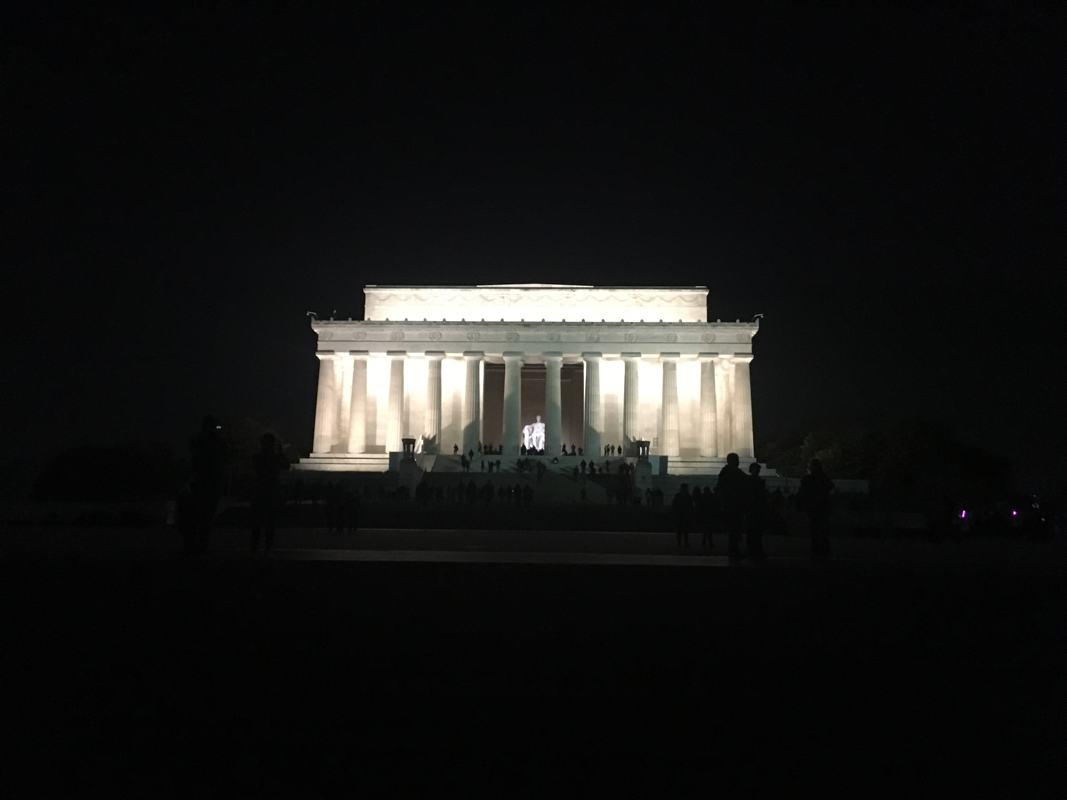
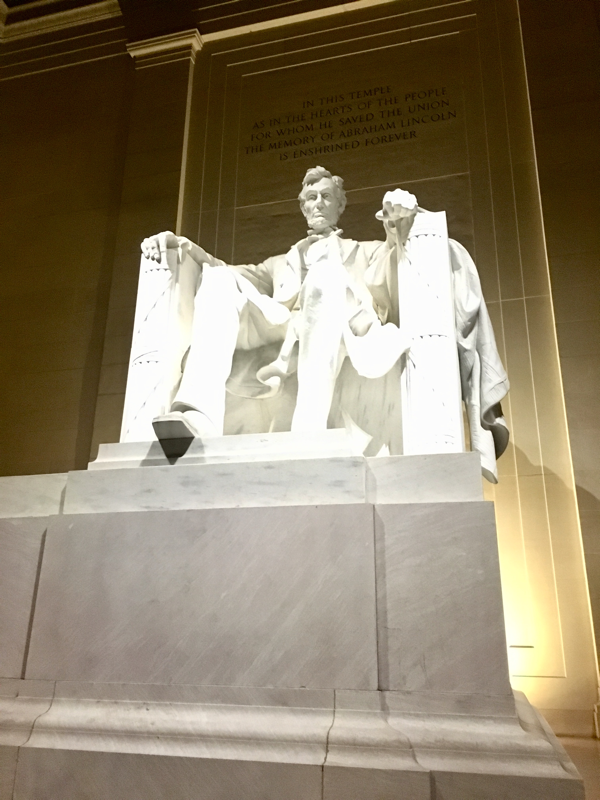
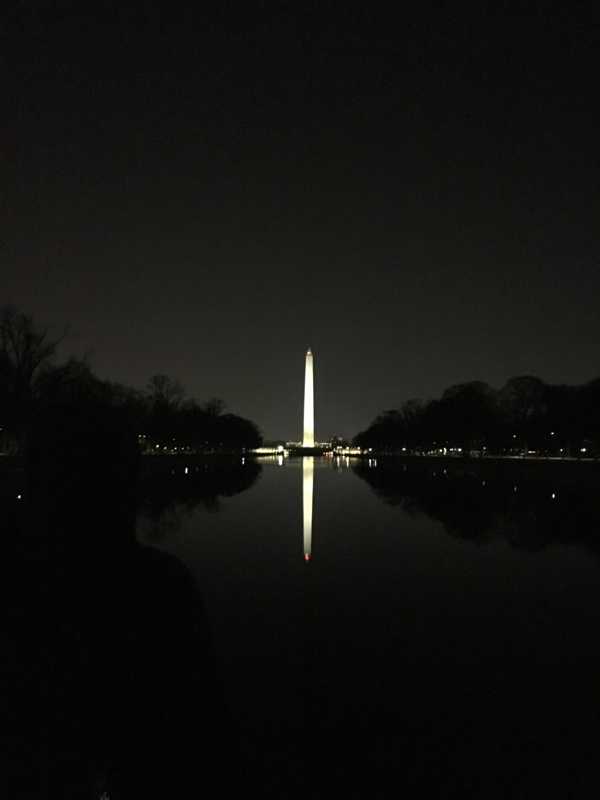
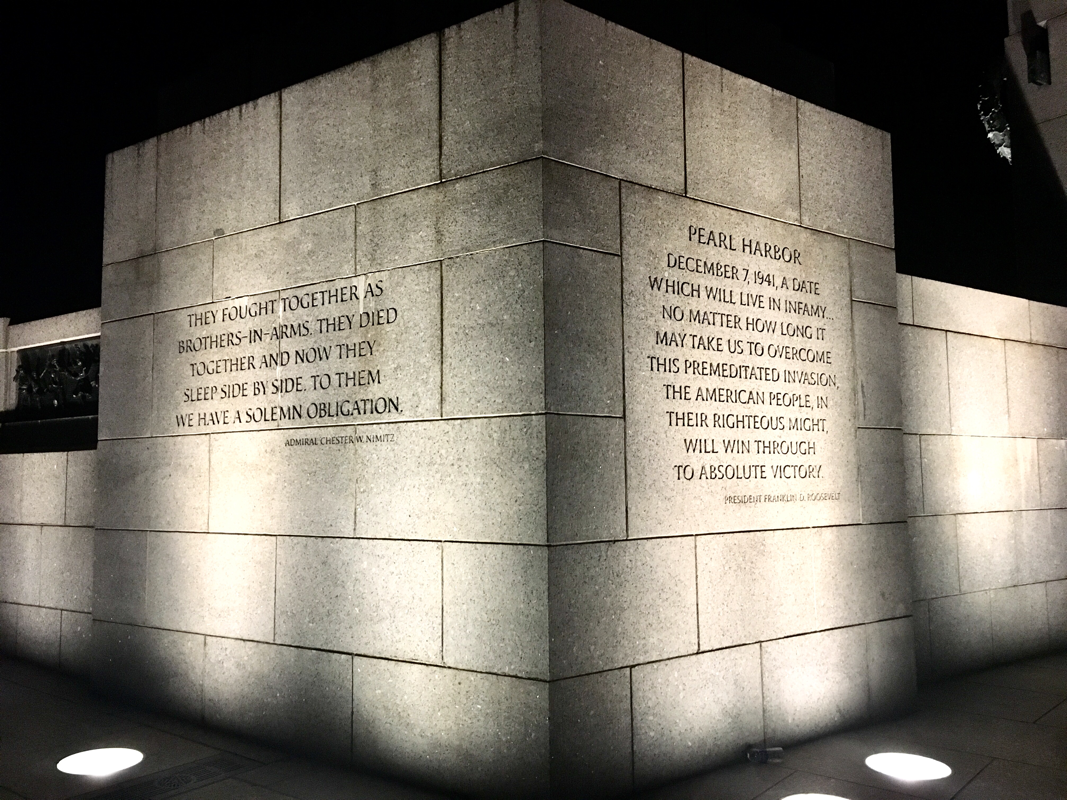
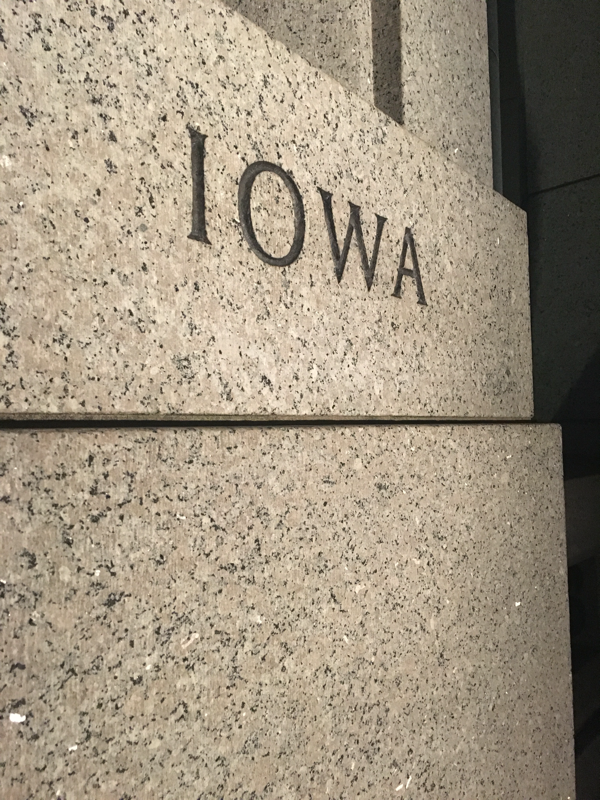
Although my view of the holidays may be through tainted lenses right now, believe me when I say I do truly hope you all have a wonderful holiday season that fills your heart with happiness and joy! I recently had the great honor of taking a trip to Washington, D.C. on behalf of the nonprofit health care clinic I work for. I felt very undeserving, having been with them for just under three months, but beyond grateful nonetheless. My husband and I have always been interested in politics. We often have conversations about American history, current political events, and our favorite Presidents. We’ve also talked about visiting D.C. at some point, so I felt kind of bad that I was making this trip without him! He was happy for me and there’s no doubt in my mind that we’ll make it back together. Before I left, I was mapping everything out. Where I was staying, where the Capitol was, where the conference was. I then happened upon maps showing the National Mall. My excitement shot through the roof when I realized I’d be just 10 driving minutes from the White House! And from the White House, I could walk to the Washington Monument, and the Lincoln Memorial – two things I said I had to see before leaving. Any doubts I had left me in that moment because I felt so lucky to be taking this trip. Getting to D.C. was a breeze. Round trip I was able to see four new airports I’d never been to. I had downloaded transportation apps before I left – Super Shuttle, Uber, DC Taxi. Uber was my favorite but Super Shuttle got me from the airport to my hotel. When I arrived in D.C., I had just 30 minutes to get checked in, freshened up, and driven to my first destination. I got there right on time, was inspired by the conference’s opening session speakers, and met others from Iowa who work at other community health centers before heading to a (long) dinner with them. After waking up at 4 a.m. and traveling for eleven hours, I was SO TIRED. Although I enjoyed dinner, getting to bed felt better than it had in a really long time. My second day was the one I was fearing the most – meetings with legislators on Capitol Hill. Although I was just there to observe, not knowing what I was walking into was bothering me. I figured if I didn’t puke or poop (which I didn’t), I’d be golden! Sadly, this the standard that helps me put high anxiety situations into perspective. Anyway, the day ended up being amazing, I felt bonded with the Iowa folks who attended with us (because we were all nervous as heck), and walked away with a new perspective on how politicians and Congress work. I got to experience a view of the inner workings of our congressional system in a way that many will not have the privilege of doing. Here are just a few photos I snapped inside some of the House and Senate buildings (I didn’t want to be too touristy): As a reward to myself for a successful day, I planned to sight see that evening after reading D.C. at night is a must-see – which was so true. During drinks with our colleagues, I mentioned to my boss that I was going to catch an Uber to the Lincoln Memorial (look at me sounding all fancy). I was surprised when she said she’d like to join me! And I’m so glad she did. Here’s a quick recap of what we saw and how it made me feel:
The third day was great, but won’t be interesting to most of you. It was conference day, back to back educational sessions. My head was bursting with new ideas by the end, which is exactly what I wanted and needed to happen. Overall, the experience was just wonderful. From what I saw and learned to the people I met and bonded with. I felt very proud to 1) be an American, and 2) be a community health center advocate. I’m happiest that this trip lit the political activist fire within me. I’m learning politician names, parties, districts. I’m paying attention to their words vs. their actions. I will say I’ve already been disappointed my one of the Iowa politicians I met. The words he spoke and the character he portrayed DO NOT match up with his recent actions. I was sad this happened, but it has led me to take some additional steps to stay informed, hold these people accountable, and take action in getting others to VOTE people like him out. I’ll share a couple of the additional steps I’ve taken so far before closing:
|
Archives
March 2022
Categories
All
|










 RSS Feed